In Samangan Province, Gate of Hope celebrated a significant milestone — equipping Afghan communities with the vocational skills needed to achieve lasting economic independence.
Vocational Workshops and Self-Sufficiency in Samangan Province
In Samangan province, community initiatives focused on vocational training represent an important avenue for personal development and economic resilience. Gate of Hope supports dedicated sewing workshops in the region, designed to teach practical tailoring skills to local residents, particularly women and young adults who are seeking to establish greater self-sufficiency for themselves and their families. This programmatic focus reflects a broader strategy to foster localized capabilities that enable households to navigate difficult economic conditions with enhanced practical tools and confidence.
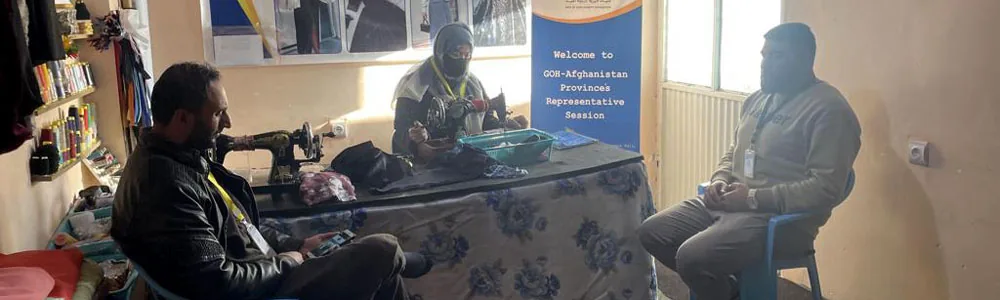
The significance of these local workshops was recently highlighted during a site visit by senior organizational leadership. Professor Ajmal Arian, who oversees professional programs at Gate of Hope, joined Dr. Mohammad Hamed Yousufzai, Deputy Professional, to observe the active learning environments firsthand. During their visit to the sewing facilities, leadership observed participants engaged in technical instruction, mastering garment construction techniques, and developing practical vocational expertise under the guidance of local trainers.
Recognizing Student Achievement and Dedication
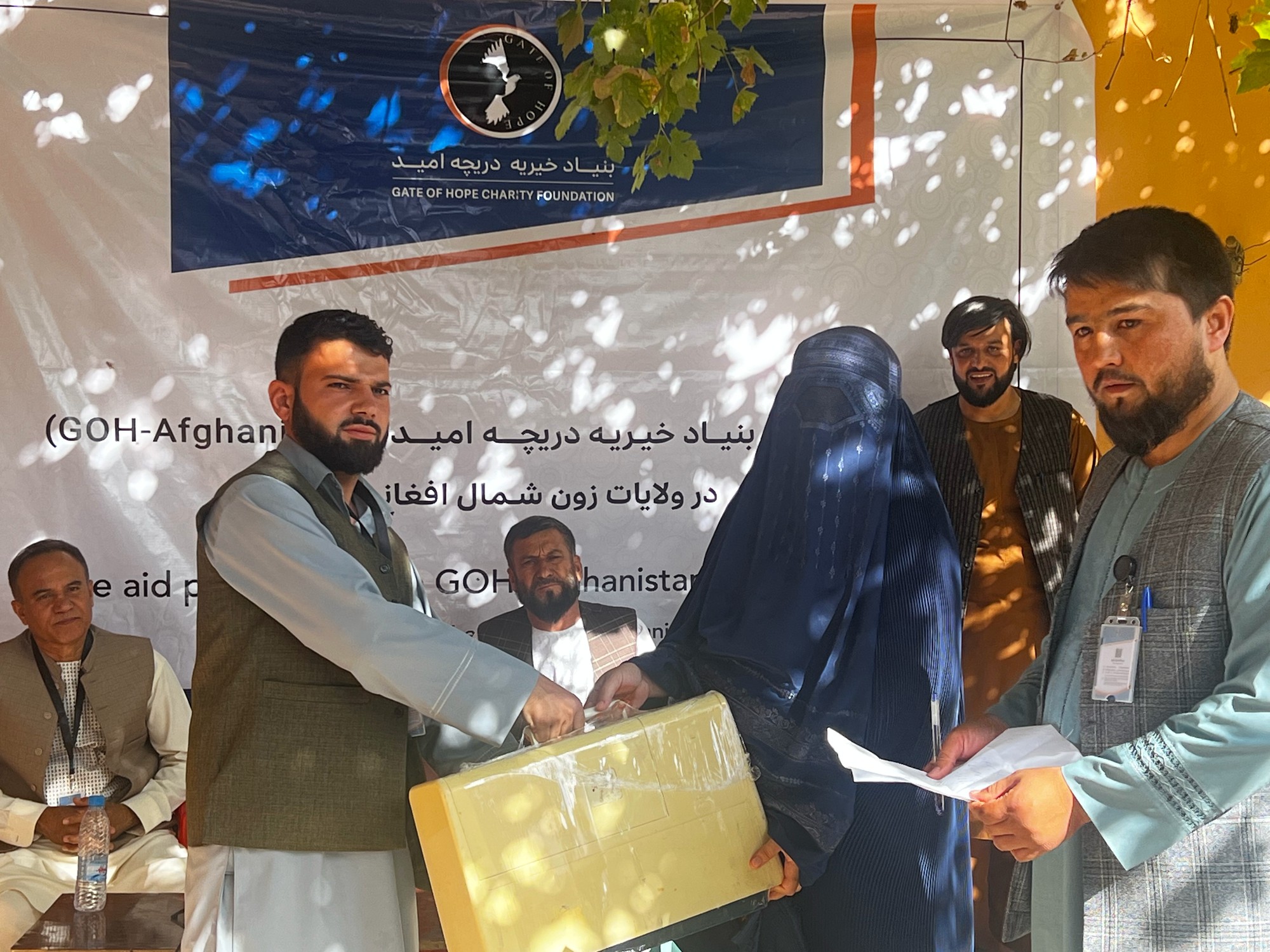
A key moment during the leadership visit involved formal recognition of the participants' progress and dedication. Gate of Hope leadership presented official identity cards and certificates of completion to the workshop participants. These documents serve as formal recognition of the technical skills acquired, the structured hours completed, and the personal commitment demonstrated by each student throughout the training program.
For many participants, receiving formal recognition provides a tangible validation of their efforts and an encouraging step toward building localized livelihoods. Rather than treating technical instruction merely as a temporary activity, the presentation of certificates symbolizes a structured transition toward practical self-reliance, offering participants a recognized credential that underscores their dedication to personal and financial independence.
The Economic Context of Livelihoods in Afghanistan
Understanding the necessity of community-based vocational training requires examining the broader economic environment in Afghanistan. Livelihood opportunities across both rural and urban provinces remain severely constrained due to ongoing socio-economic instability, reduced market activity, and restricted formal employment access. These challenges disproportionately affect women and young people, who face structural barriers when attempting to contribute to household income or access professional growth opportunities.
According to data from international development agencies, female labor force participation outside the household remains remarkably low, with reports indicating that female employment stagnates at approximately seven percent nationwide. Broad curtailments in formal education and public sector engagement further compress economic options for women and youth. In this challenging context, informal sector activities, skilled artisanal craft, and localized tailoring become crucial mechanisms for households striving to maintain financial stability and secure daily basic necessities.
Vocational programs such as the sewing workshops in Samangan are established against this backdrop not as a total cure for macro-economic pressures, but as practical interventions designed to strengthen household-level coping mechanisms. By cultivating market-relevant skills such as sewing and tailoring, participants gain the ability to produce garments for personal family use, perform local repair work, or fulfill orders within their immediate neighborhoods, thereby building micro-scale economic autonomy.
Practical Delivery and Implementation of Sewing Workshops
Delivering effective vocational training in provincial locations like Samangan requires careful logistical planning, community coordination, and sustained resource management. Establishing functional sewing workshops involves securing safe, accessible community spaces where participants can gather regularly to practice technical skills. It also requires sourcing reliable sewing equipment, durable fabrics, thread, cutting tools, and specialized maintenance supplies to ensure uninterrupted practical instruction.
Gate of Hope structures its professional programs to emphasize structured learning progression and hands-on practice. Instructors guide students through foundational tailoring concepts, pattern drafting, fabric cutting, stitching techniques, and equipment care. By balancing theoretical understanding with extensive practical application, workshops aim to build genuine technical competence, ensuring that participants can independently produce market-ready items upon completing their coursework.
Programmatic Accountability and Skill Verification
Ensuring that vocational training delivers lasting value requires robust monitoring and practical follow-up mechanisms. Gate of Hope engages in structured monitoring to review workshop attendance, assess skill acquisition, and evaluate the operational condition of training equipment. Field visits by program leaders, such as Professor Arian and Dr. Yousufzai, play an essential role in evaluating workshop standards, hearing direct feedback from participants, and identifying necessary operational adjustments.
Follow-up efforts also focus on evaluating how graduates utilize their acquired skills after receiving their certificates. Tracked outcomes focus on understanding whether participants are able to establish home-based tailoring activities, form small cooperative working groups, or contribute to local market demands. By maintaining contact with workshop graduates, the organization gathers valuable implementation insights that inform future vocational curricula and community support strategies.
Sustaining Community Livelihoods Through Collective Support
Building sustainable paths toward self-sufficiency in Samangan and across Afghanistan demands long-term commitment and collective action. Vocational training programs offer a dignified, agency-centered approach to humanitarian and development assistance, empowering individuals to rely on their own skills and labor rather than continuous short-term aid. Every participant who completes a sewing workshop represents potential progress toward stronger, more resilient household economies.
To maintain and expand these professional programs, Gate of Hope relies on pooled contributions from supporters around the world. Financial contributions are combined into unified program funds that support essential operational requirements, including purchasing raw materials, transporting equipment to remote workshop sites, compensating skilled local trainers, and conducting regular monitoring assessments. This collective funding model ensures flexibility and operational continuity across various community projects.
We invite supporters to join us in sustaining these essential initiatives. Whether contributing toward basic training materials, equipment upkeep, instructional supplies, or follow-up site visits, your support helps maintain local learning environments where Afghan women and youth can develop practical vocational skills. Stand alongside communities in Samangan Province as they work toward dignity, self-reliance, and economic stability.
Ways to contribute
All gifts are pooled across the supplies, training, delivery, equipment, follow-up, and maintenance needed to run this work responsibly.
Examples describe pooled program support; they do not guarantee that a specific gift purchases a specific item or produces a fixed result.