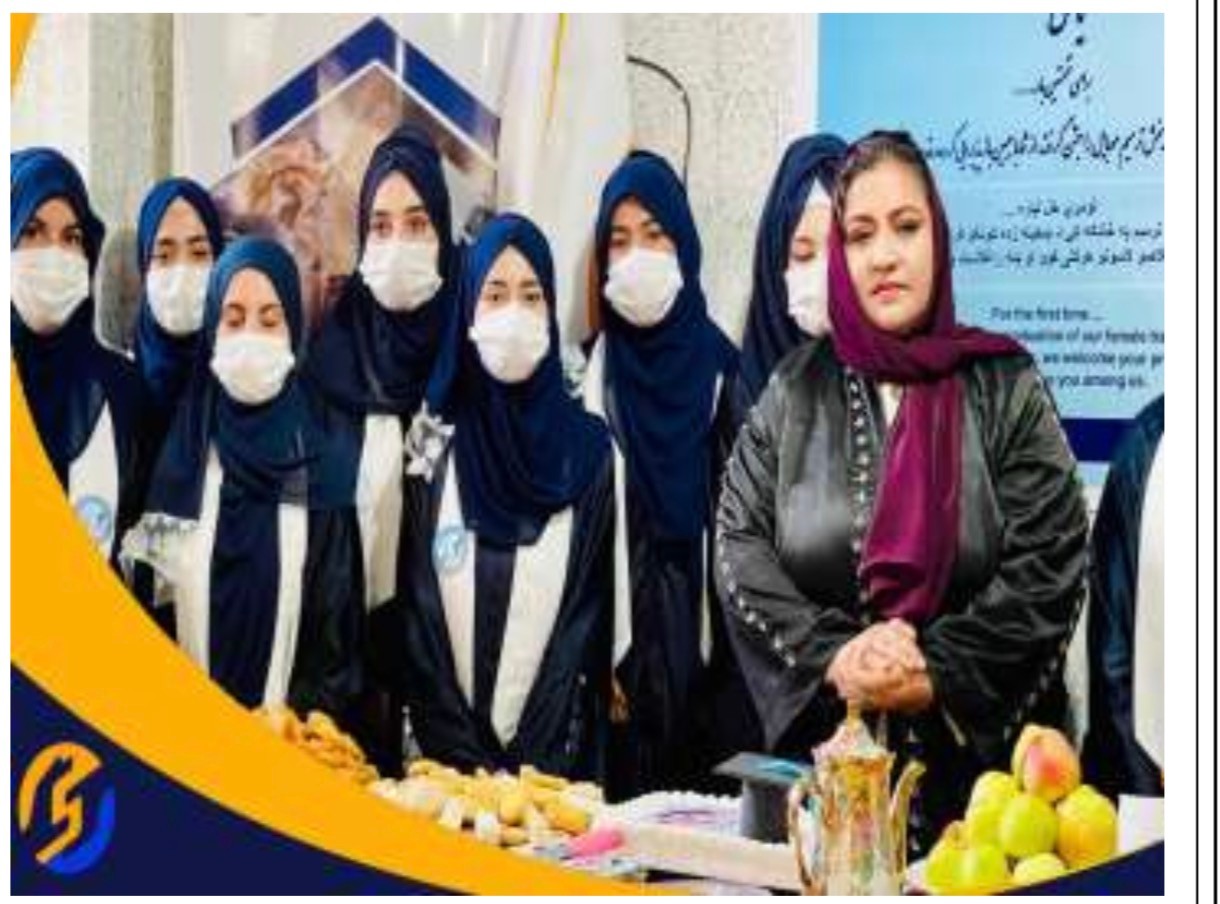
Gate of Hope supported theoretical and practical mobile phone repair training in collaboration with Shafaq Social Service & Welfare Organization, helping participants develop useful technical and livelihood skills.
Mobile Phone Repair Training Program: Combining Theory and Practice
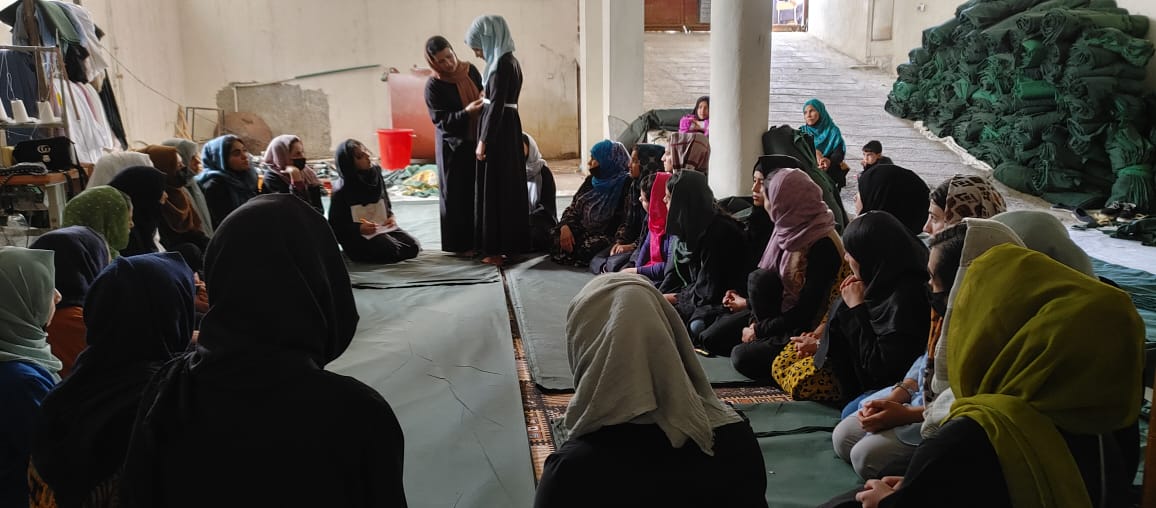
Gate of Hope supported a mobile phone repair training program delivered in collaboration with Shafaq Social Service & Welfare Organization, helping participants develop useful technical and livelihood skills. Vocational instruction in practical technical trades plays an important role in strengthening community capabilities, particularly when structured around widely used everyday technology. By combining classroom theoretical instruction with supervised practical workshop learning, the initiative provided participants with an opportunity to understand both the core underlying principles of mobile technology and the diagnostic techniques required in active repair settings.
Theoretical Instruction and System Diagnostic Methodology
During the theoretical component, instruction focused on developing systematic understanding rather than relying on temporary workarounds. Participants studied phone components, common hardware and software faults, diagnostic procedures, workplace safety, and the correct use of specialist tools. Establishing safety protocols and careful tool handling formed an integral part of the curriculum, establishing care and systematic safety as routine habits. This comprehensive theoretical foundation prepared participants to approach repairs methodically through structured diagnostic steps rather than relying on unsystematic trial and error.
Understanding how various components within mobile devices function enables technicians to diagnose multi-layered hardware and software issues effectively. Trainees learned how to identify technical faults, examine electronic circuit board functions, and analyze device behaviors during structured troubleshooting. Differentiating between software glitches and physical hardware failures allows technicians to recommend appropriate repair methods. By placing equal emphasis on theoretical understanding and practical framework, the curriculum helped participants build a solid basis for continuous skill development and independent problem-solving.
Livelihood Skill Development and the Broader Context
In many communities, mobile phones serve as vital tools connecting individuals and households to personal networks, commercial markets, educational opportunities, and essential services. When personal devices experience technical faults or hardware breakdowns, access to communication and critical information can be severely disrupted. Establishing local technical capacity to repair and maintain these devices addresses an immediate practical need while offering participants useful technical and livelihood skills. Mobile phone repair represents an adaptable technical trade that requires manageable physical infrastructure compared to larger industrial operations, making it particularly well suited for localized community service and micro-enterprise development.
Broader economic reports, such as the World Bank Afghanistan Policy Note on Employment, highlight supply-side active labor market interventions—including targeted skills development and technical training—as valuable mechanisms for strengthening local human capital. When formal employment channels experience broader contractions, practical skill acquisition offers individuals constructive pathways to offer services within their local settings. Similarly, human development assessments from the United Nations Development Programme emphasize the importance of localized livelihood initiatives in supporting individual resilience and economic self-reliance during broader economic stress.
While technical instruction alone cannot resolve macroeconomic challenges, targeted vocational initiatives provide tangible opportunities for skill acquisition and economic engagement. Gate of Hope and Shafaq Social Service & Welfare Organization structured this mobile phone repair training program around the principle that practical technical competence enhances personal confidence and economic self-reliance. By facilitating access to structured instruction, the initiative supports participants as they develop useful capabilities that correspond directly to practical community demand for device maintenance and repair.
Practical Workshop Experience and Safety Standards
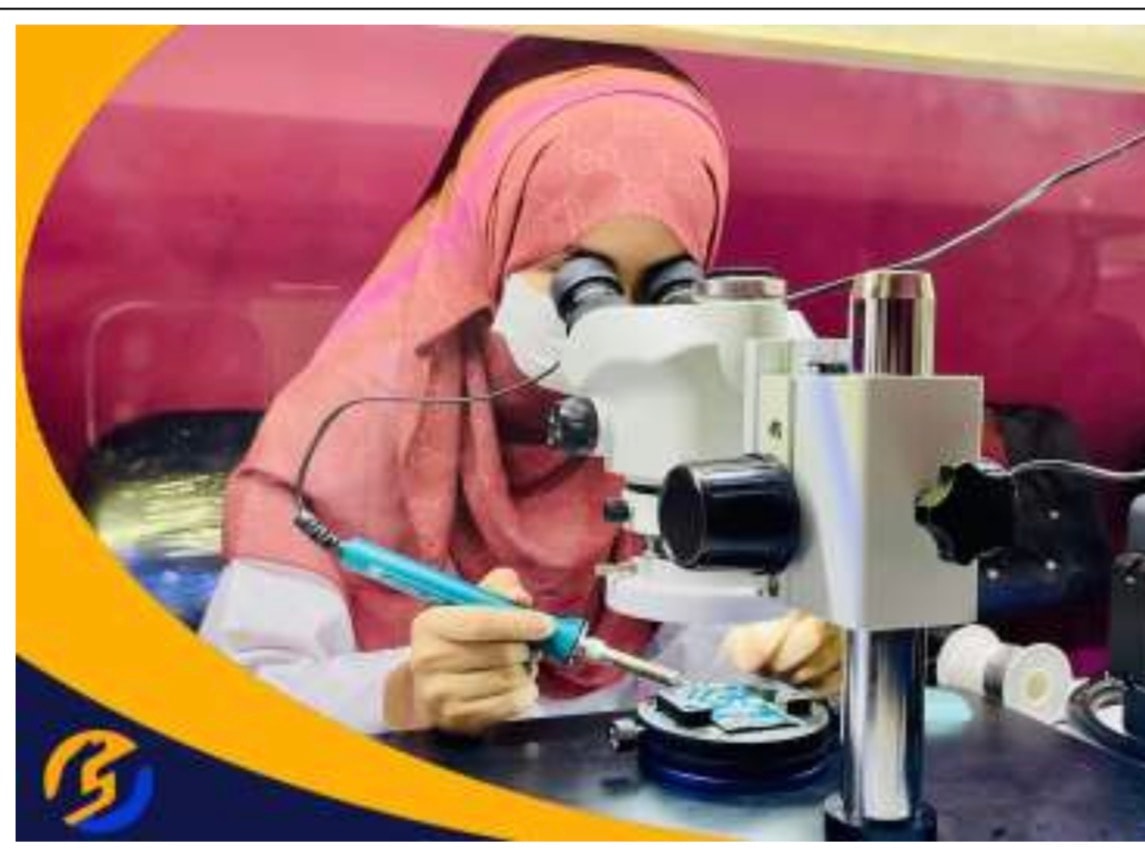
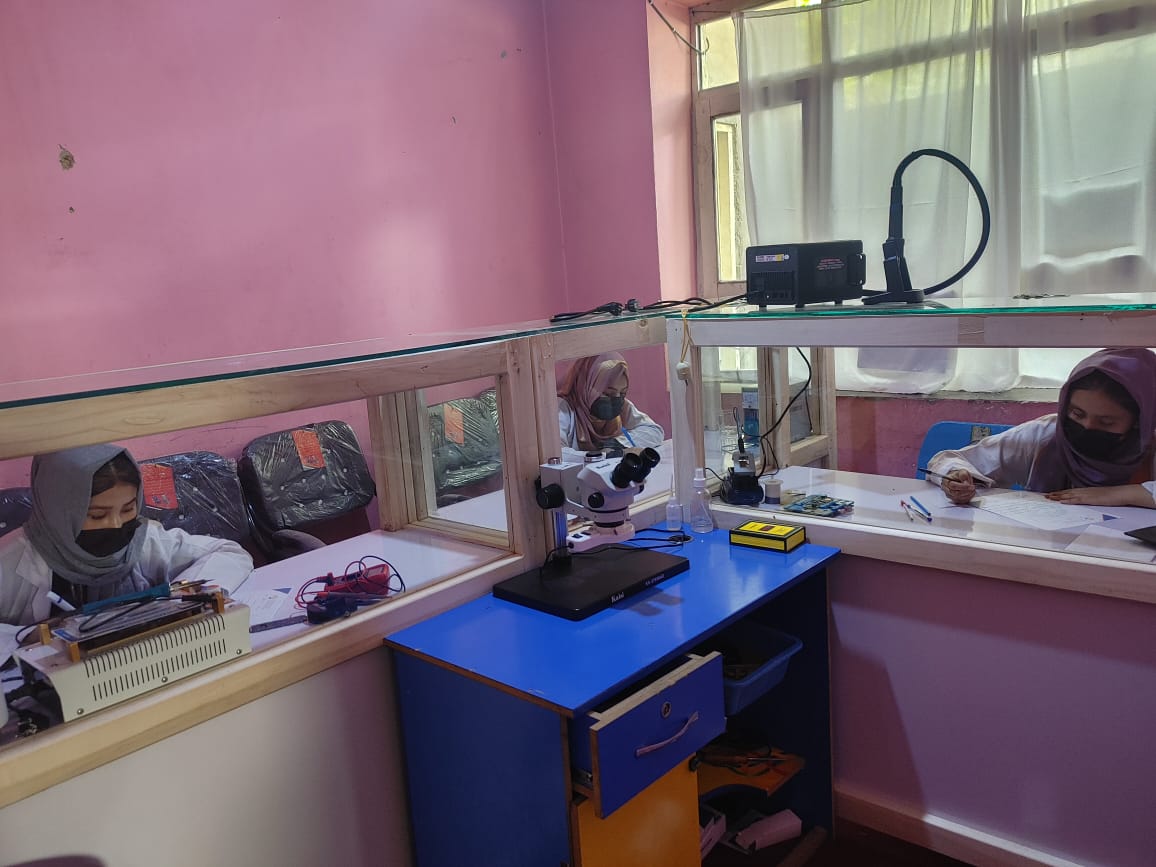
The practical sessions of the program enabled participants to work directly with repair equipment, circuit boards, precision tools, and diagnostic devices in a structured workshop environment. Under direct guidance, trainees practiced identifying faults and applying careful repair techniques to resolve identified issues. Working directly with hardware enabled participants to develop manual dexterity, refine their practical technique, and master the delicate handling necessary when working with precision tools and small electronic components.
Workplace Safety and Hands-On Application
Maintaining established safety standards remained a priority throughout the practical workshop modules. Instructors guided participants on safe tool handling, proper workspace preparation, static electricity precautions, and careful component inspection during repair procedures. Practicing proper safety protocols protects both the individual technician and the sensitive electronic equipment being serviced. Supervised practical exercises provided participants with immediate feedback, helping them refine their technique and establish consistent repair habits aligned with structured vocational standards.
Sustaining Technical Education Through Pooled Community Support
Vocational and technical training initiatives supported by Gate of Hope rely on flexible, pooled financial contributions. Rather than assigning individual donations to isolated expense items, contributions are combined across overall program needs to maintain consistent and efficient operations. Pooled funding helps ensure that practical workshops remain supplied with necessary diagnostic equipment, training materials, consumable workshop supplies, and instructional resources required for effective and dignifying learning environments.
Contributions to pooled funds assist in covering essential logistical and operational requirements, such as training materials, workshop facility upkeep, and program coordination. This collaborative funding model allows Gate of Hope to respond flexibly to operational needs while maintaining high standards of delivery across community programs. By contributing to pooled resources, donors support dignifying educational opportunities that enable individuals to acquire practical technical capabilities for long-term self-reliance.
Gate of Hope invites supporters to join in sustaining these community-focused vocational initiatives. Practical technical education provides a meaningful framework for skill development and personal resilience. Your contribution helps maintain accessible training facilities, supply essential diagnostic tools, and expand access to structured technical instruction for individuals seeking to build practical skills and support their households.
Ways to contribute
All gifts are pooled across the supplies, training, delivery, equipment, follow-up, and maintenance needed to run this work responsibly.
Examples describe pooled program support; they do not guarantee that a specific gift purchases a specific item or produces a fixed result.