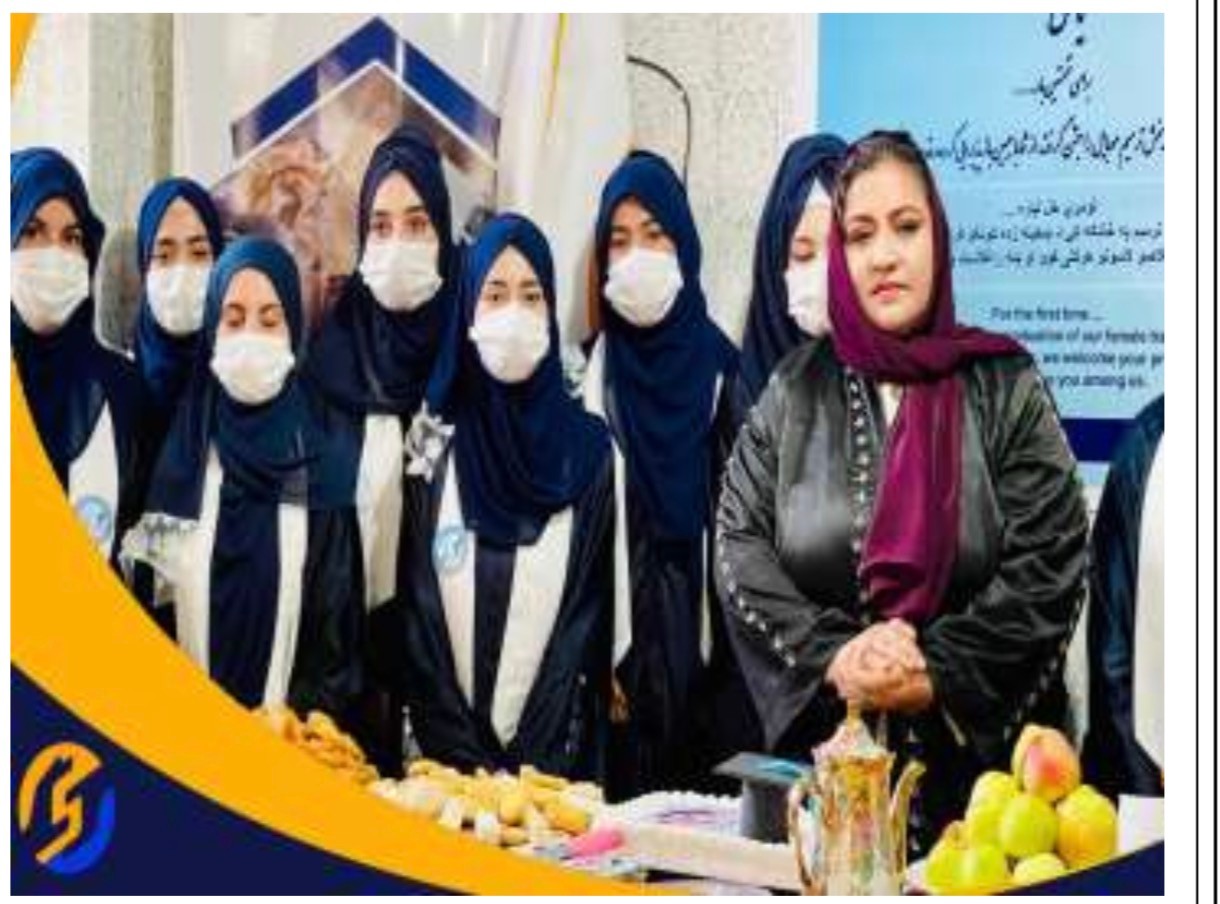
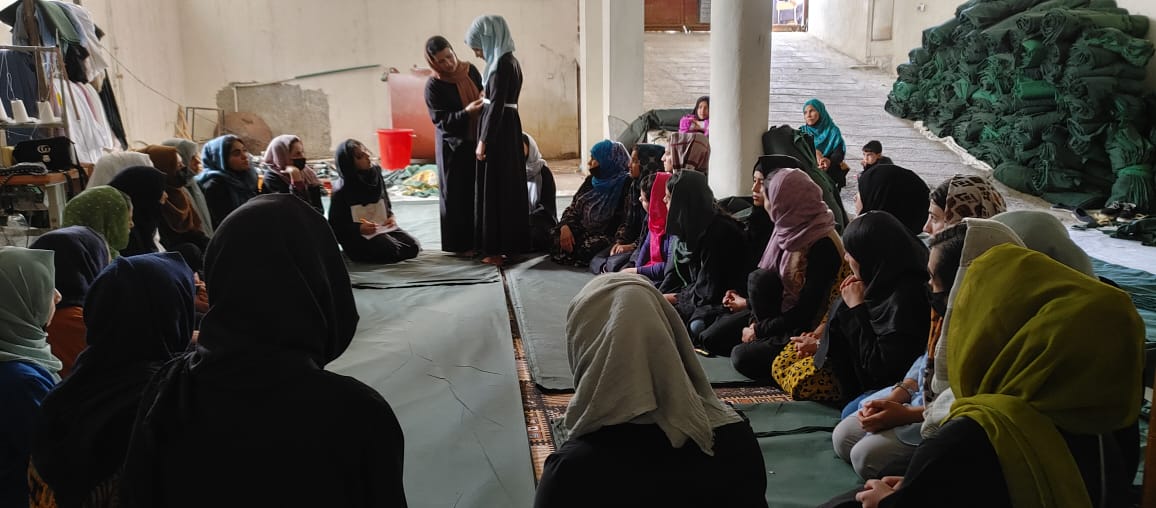
Gate of Hope Charity Foundation, in collaboration with Shafaq Social Service & Welfare Organization, organized practical garment measuring and sewing training to strengthen tailoring students' skills and livelihood opportunities.
Garment Measuring and Sewing Training for Tailoring Students
Gate of Hope Charity Foundation, in partnership with Shafaq Social Service & Welfare Organization, organized a specialized garment measuring and sewing training program for tailoring students. Designed to foster a supportive and practical learning environment, the initiative focused on building tangible vocational skills that can enable participants to produce accurately fitted garments. In many local communities across Afghanistan, vocational education offers a vital bridge toward economic participation and stability. By addressing both theoretical understanding and hands-on execution, this collaborative effort sought to prepare students for real-world tailoring demands, encouraging both personal confidence and technical precision throughout the garment construction process.
The collaborative nature of this initiative highlights the value of local organizational partnerships in expanding vocational learning opportunities. Working alongside Shafaq Social Service & Welfare Organization, Gate of Hope Charity Foundation helped deliver targeted practical sessions tailored to the immediate educational needs of participants. Vocational training programs of this structure emphasize active learning, giving students direct experience with the essential tools, textiles, and measuring techniques used in professional tailoring practices. Through structured guidance, participants engaged in guided instruction aimed at demystifying complex garment patterns, reinforcing fundamentals, and establishing reliable daily routines for fabric cutting and assembly.
Building Essential Technical Skills in Garment Construction
Mastering the art of tailoring requires a thorough understanding of foundational measurements and pattern layout. During the training sessions, students systematically practiced essential measuring techniques, learning how to record accurate body measurements and translate those figures directly onto fabric templates. Achieving a reliable fit depends heavily on this initial step, as precise calculations reduce errors during assembly. Beyond improving fit, accurate measurement serves a critical economic purpose by minimizing material waste—a key consideration for independent tailors and small workshops operating under tight budget constraints.
The sewing component connected theoretical measuring principles with direct practical application. Under experienced instruction, students explored various stages of garment preparation, seam construction, and finishing techniques. Lessons focused on establishing consistent stitch lines, maintaining correct tension, and adhering to standard health and safe working habits within an active workshop setup. This combined focus on accuracy and workshop safety ensures that participants build habits conducive to high-quality craftsmanship and long-term vocational capability.
Precision Measurement and Fabric Preparation
The curriculum emphasized that careful measurement forms the bedrock of quality garment production. Tailoring students learned how small variances in measurement can alter garment proportions, affect wearable comfort, and lead to unnecessary cloth expenditure. Instructors guided participants through structured exercises in measuring, marking, and cutting woven fabrics. By gaining confidence in these foundational practices, students developed a clearer workflow, allowing them to approach complex custom orders with greater methodological clarity and self-reliance.
Economic Context and Livelihood Potential in Afghanistan
Vocational skills training takes place against a challenging socioeconomic backdrop in Afghanistan. According to assessments from United Nations agencies, including UNDP and UN Women, formal employment opportunities remain severely limited, particularly for women, with female employment rates outside the home hovering around 7 percent. In an environment characterized by widespread economic strain and restricted formal labor market access, practical home-based or small-scale vocational abilities present a pragmatic avenue for household sustainability. Tailoring and garment production represent sectors where localized demand for custom repair, altered clothing, and daily garments remains steady across urban and rural communities.
Furthermore, localized skill development aligns with national economic recovery goals emphasizing community-driven resilience and human capital development. Active labor market interventions that focus on practical skills development help preserve traditional craftsmanship while introducing modern efficiency standards. By investing in practical instruction, community organizations help bridge critical educational gaps, equipping participants with marketable competencies that remain relevant across changing market conditions.
Pathways to Income Generation and Self-Reliance
Acquiring functional tailoring expertise offers individuals the potential to establish modest home-based enterprises, join community cooperatives, or offer specialized repair services within local markets. While completion of a training workshop does not guarantee immediate financial independence, developing recognized practical competencies significantly strengthens a participant's capacity to generate supplemental income. Over time, these individual economic contributions can enhance family resilience, assist in meeting basic household expenditures, and foster broader economic stability within vulnerable neighborhoods.
Program Accountability, Operational Continuity, and Support
Gate of Hope Charity Foundation maintains a commitment to careful project implementation and responsible stewardship of resources. Program logistics for training initiatives involve sourcing quality training materials, securing appropriate learning venues, arranging necessary equipment, and facilitating expert instruction. To ensure sustained benefit, program teams conduct periodic follow-up evaluations to observe how participants apply their training in practical settings, identifying areas where additional refresher sessions or advanced instruction may be required to deepen learning outcomes.
Sustaining and extending vocational training programs requires ongoing, pooled financial support. Financial contributions donated to Gate of Hope Charity Foundation are combined across overarching program needs rather than assigned to isolated line items. Contributions of $10, $15, $25, or $50 serve as valuable resources that support collective operational expenses, including the procurement of pooled instructional supplies, workshop venue transport and delivery logistics, equipment maintenance, and ongoing participant follow-up evaluations. Every contribution directly reinforces our shared mission to provide dignified, practical skill-building opportunities to Afghan communities.
We invite partners, supporters, and advocates to join Gate of Hope Charity Foundation in expanding access to practical vocational education. Through sustained community collaboration and targeted skill building, we can help empower individuals to build meaningful livelihoods and contribute positively to their families and local economies. Your continued support helps ensure that vital community training programs remain accessible, dignified, and impactful.
Ways to contribute
All gifts are pooled across the supplies, training, delivery, equipment, follow-up, and maintenance needed to run this work responsibly.
Examples describe pooled program support; they do not guarantee that a specific gift purchases a specific item or produces a fixed result.