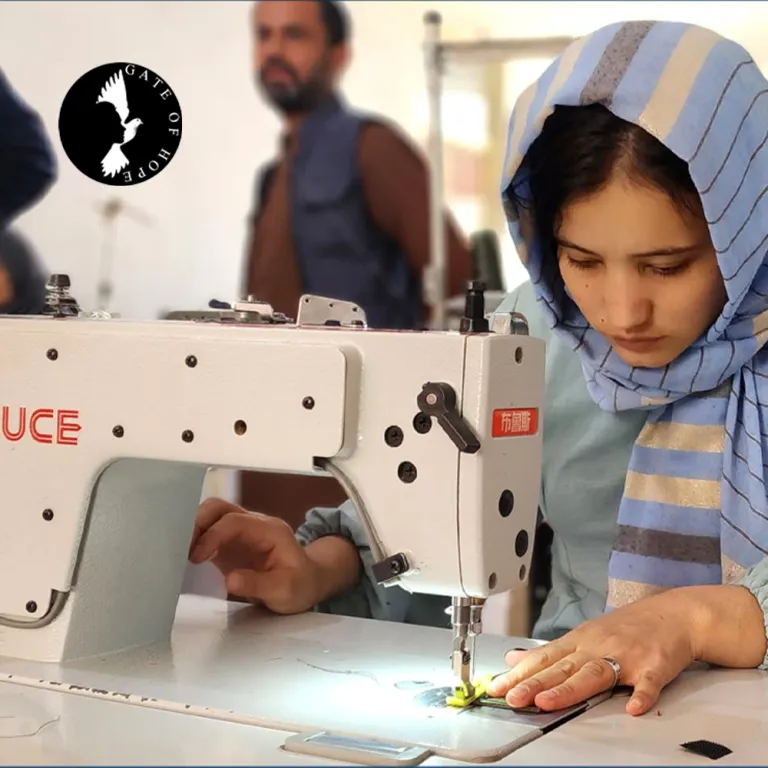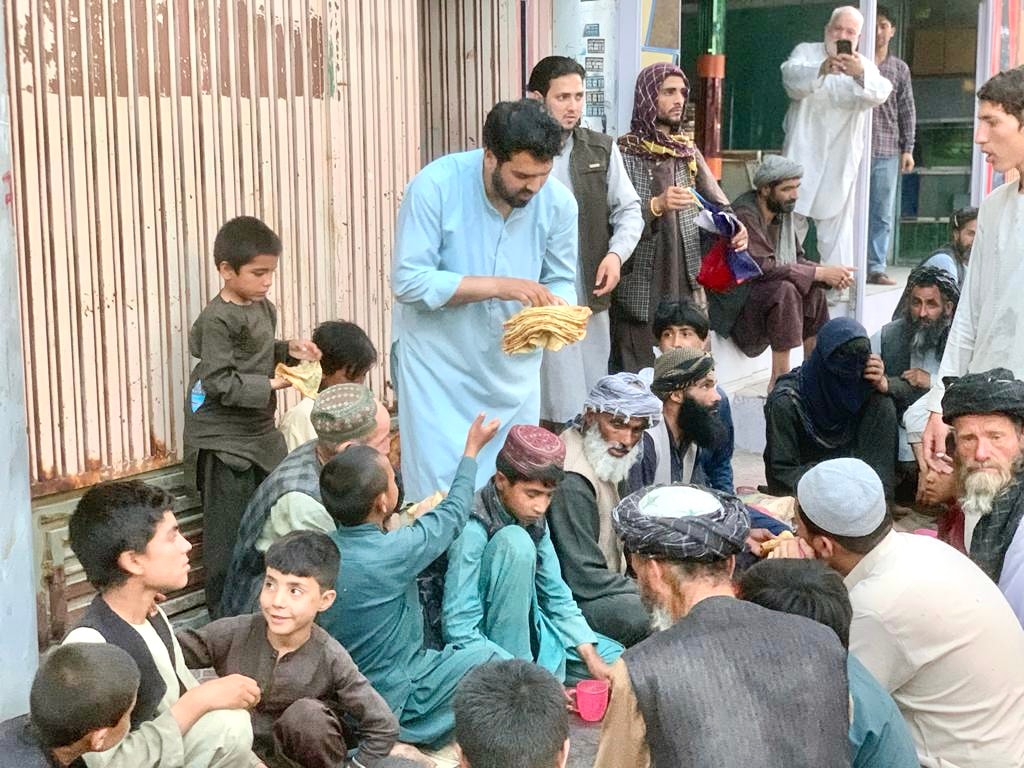
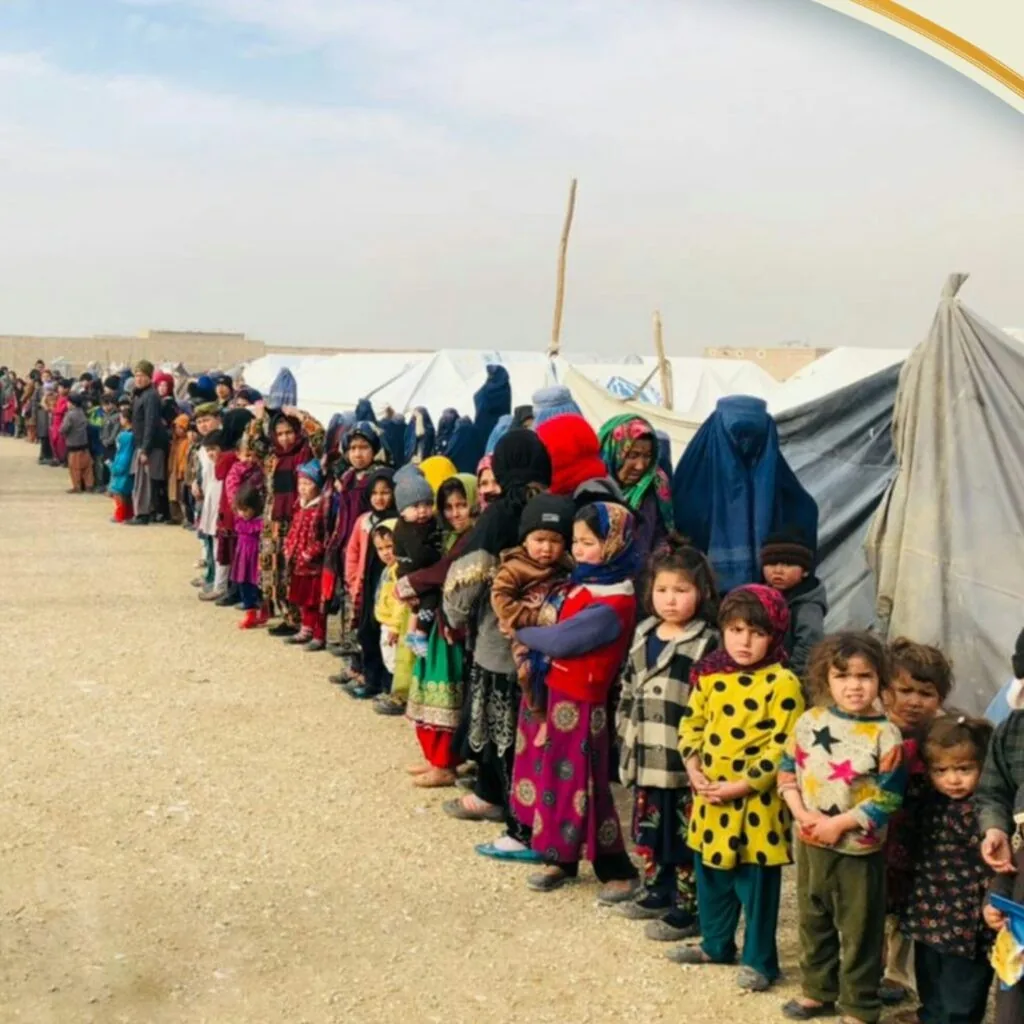
A line of Afghan mothers and children stretches the length of a displacement camp — each face a story of loss, resilience, and unmet need. Gate of Hope stands with them, delivering aid where it is needed most.
Facing the Queue in Informal Afghan Displacement Camps
In informal displacement camps across Afghanistan, long lines of displaced mothers and children stand alongside temporary camp shelters, waiting quietly for essential humanitarian relief items. A single distribution queue can extend across a significant portion of a settlement, reflecting both the large scale of displacement and the widespread gap between available community resources and basic household needs. Women hold young infants wrapped in light shawls to protect against severe winds, while young children stand on cold, unpaved earth wearing worn or makeshift shoes. They wait under difficult weather conditions that highlight the immediate need for direct relief efforts, organized field coordination, and dignified aid distribution protocols.
For households living within informal camp environments, gathering in an aid queue often represents the primary accessible route to receive basic survival supplies such as warm clothing, hygiene items, and seasonal household goods. Gate of Hope field personnel witness these long waiting lines directly during field site operations. The high proportion of mothers and young children present in distribution queues emphasizes the acute vulnerability of displaced camp populations, as well as the remarkable determination of Afghan families working to care for their children despite persistent economic hardship, limited resources, and loss of stable shelter.
Overlapping Crises Affecting Displaced Families
The ongoing crisis forcing families into informal displacement settlements stems from multiple interconnected factors, including persistent regional conflict, prolonged climate-driven droughts, and severe economic contraction. When rural families experience the loss of agricultural livelihoods, home security, or local community stability, moving into informal encampments becomes a necessary last resort for survival. However, living conditions in these informal camps present continuous challenges, including inadequate shelter protection against harsh weather, limited access to clean drinking water and sanitation facilities, and ongoing uncertainty regarding household food security and stable long-term accommodation.
Humanitarian Realities for Displaced Women and Children
Data published by international humanitarian relief agencies illustrates the broad scale of critical need across Afghanistan. Official reports from the United Nations indicate that in 2026, approximately 21.9 million people require urgent humanitarian assistance throughout the country, with children making up more than 11.6 million of those affected. Additionally, reporting from the World Food Programme highlights that approximately 14 million people face acute hunger, creating severe food insecurity that places continuous pressure on displaced households that have already exhausted their limited economic savings and personal household assets.
Displaced women and children constitute the vast majority of populations residing in informal camp settings, yet they face severe structural limitations when attempting to meet basic daily requirements. According to UN Women documentation, female labor force participation outside the home remains constrained at approximately 6 to 7 percent, severely restricting the financial capacity of female-headed households to generate income or purchase essential goods in local markets. Combined with broad restrictions regarding formal education and employment opportunities, displaced mothers face extraordinary obstacles in securing consistent nutrition, proper healthcare, and suitable clothing for their growing children.
Direct Aid Distribution Protocols
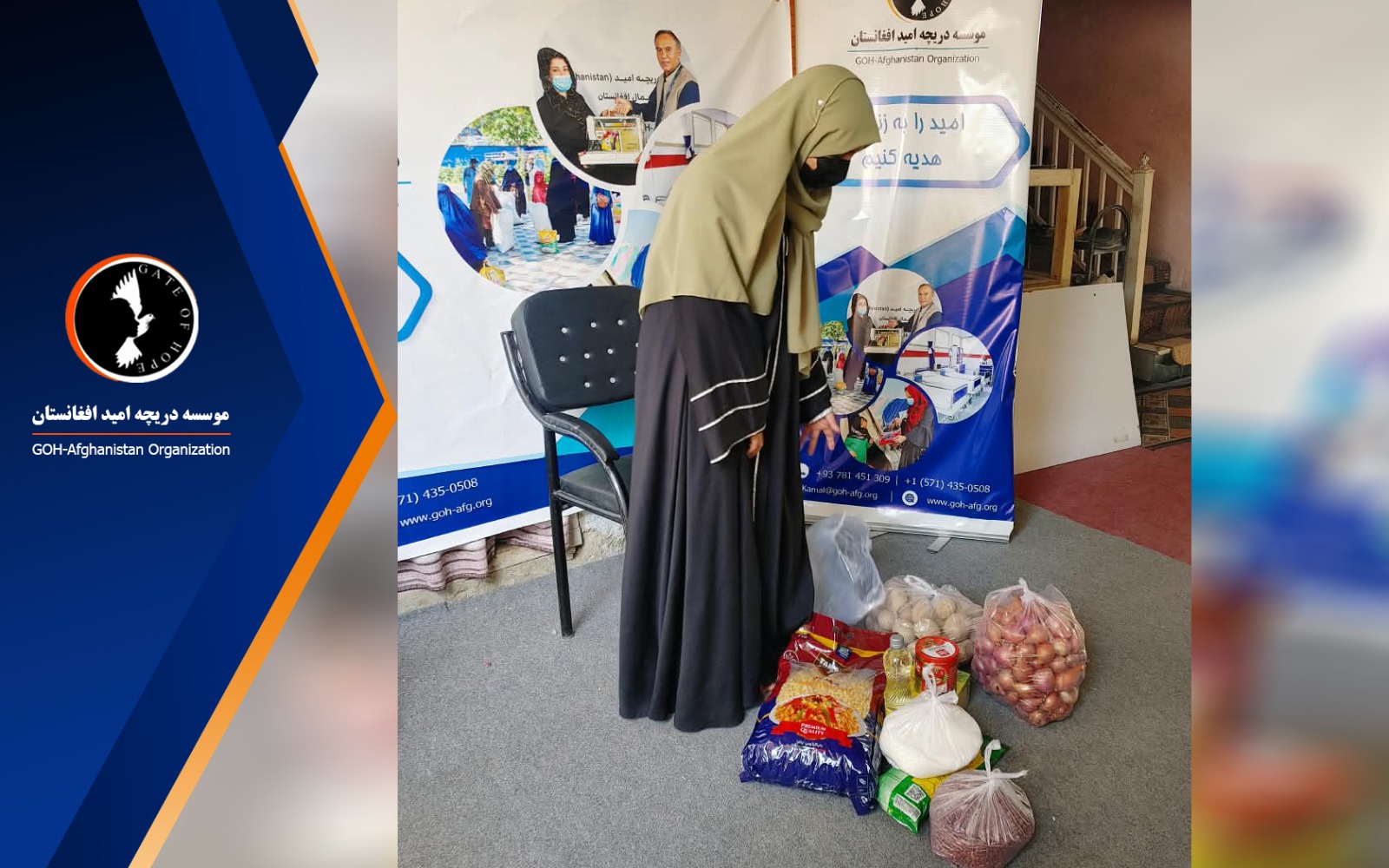
To address these challenging conditions, Gate of Hope organizes targeted emergency distributions within informal camp settings. Field teams collaborate closely with local camp leaders and community representatives to identify vulnerable households, prioritizing female-headed families, elderly caregivers, and children with immediate basic needs. Essential supplies, including clean clothing, hygiene items, and basic household goods, are transported directly into camp locations. Distribution teams organize orderly queues, verify household lists, and work systematically so that waiting families receive tangible aid before returning to their shelters.
Field Logistics and Operational Accountability
Managing effective distribution operations inside informal displacement camps requires detailed advance planning, localized transport logistics, and structured operational protocols. Field personnel carry out site assessments to review camp layouts, measure population density, and establish designated distribution zones that prioritize safety and accessibility. Preparing relief items into standardized, manageable packages helps streamline distribution procedures, significantly reducing wait times for mothers supervising infants or managing multiple young children in line.
Gate of Hope maintains clear documentation and operational accountability throughout field distribution operations. Field workers record delivered supplies, verify household details against initial assessment records, and document site conditions to monitor program implementation effectiveness. This structured oversight helps ensure that relief resources are distributed efficiently to intended recipients, while providing operational insights that inform logistical planning for future field visits in nearby settlements.
Community Engagement and Sustainable Relief Commitment
While emergency aid distributions deliver vital immediate support, addressing the complex broader challenges of displacement requires ongoing field presence and sustained engagement with affected communities. Gate of Hope maintains an active humanitarian role in displacement settlements following distributions, conducting follow-up discussions with camp elders, local community leaders, and mothers to track changing shelter conditions, emerging health concerns, and seasonal necessities across different camp sections.
Providing practical assistance to displaced women and children is an ongoing responsibility that demands continuous field commitment, careful monitoring, and accountable operational standards. Gate of Hope remains dedicated to continuing emergency response activities, extending relief reach to underserved informal camps, and upholding the dignity of displaced Afghan families. Supported by pooled donor contributions, field personnel will continue bringing direct relief items to households facing extreme displacement, severe economic instability, and harsh camp environments.
Ways to contribute
All gifts are pooled across the supplies, training, delivery, equipment, follow-up, and maintenance needed to run this work responsibly.
Examples describe pooled program support; they do not guarantee that a specific gift purchases a specific item or produces a fixed result.