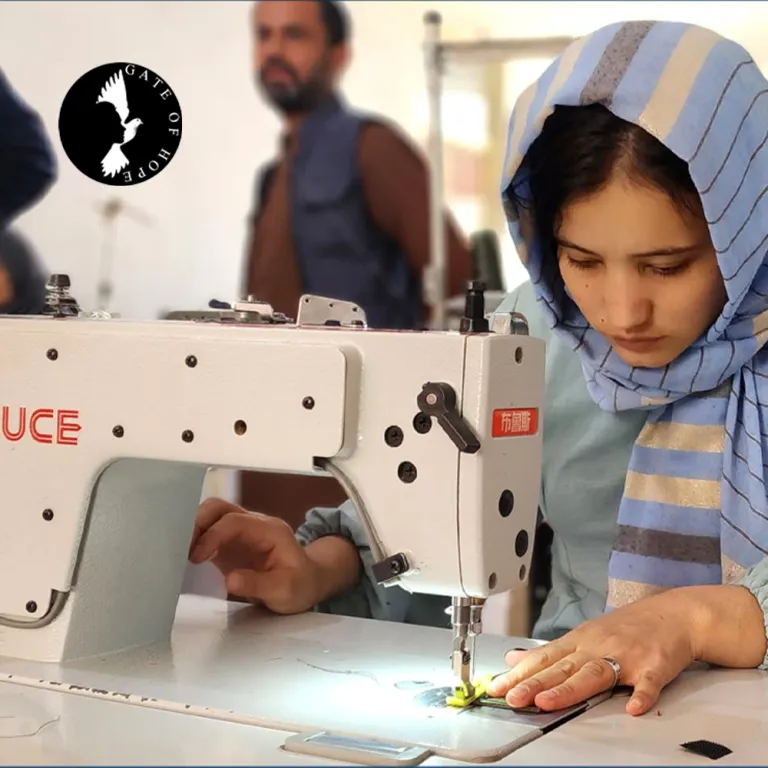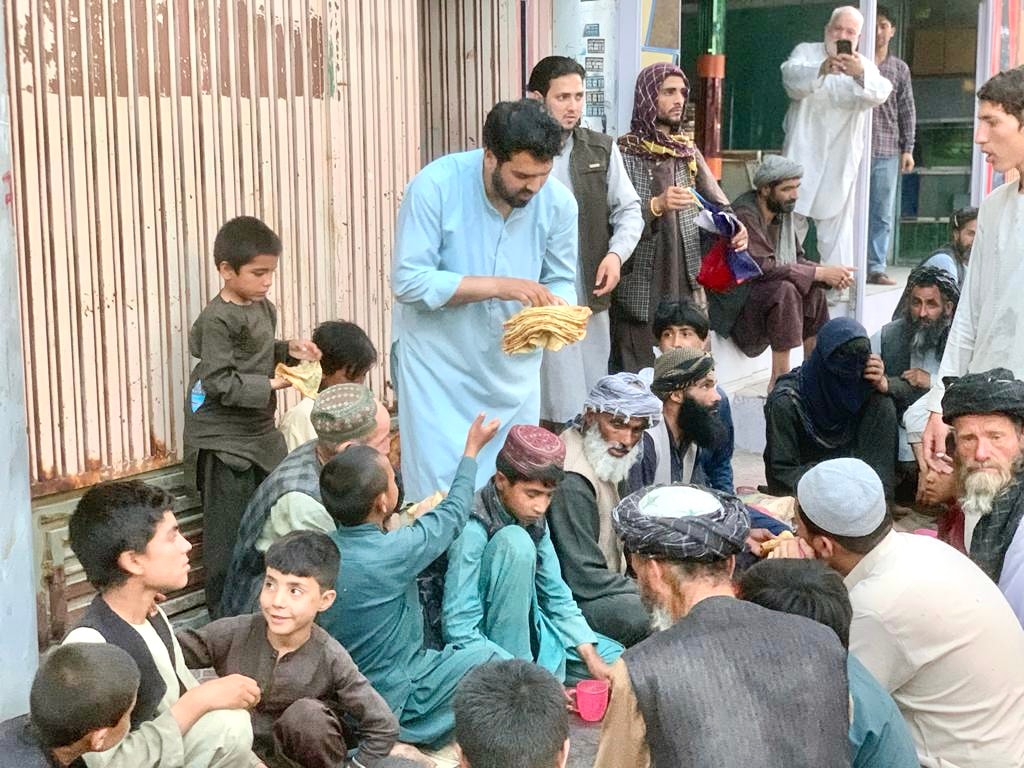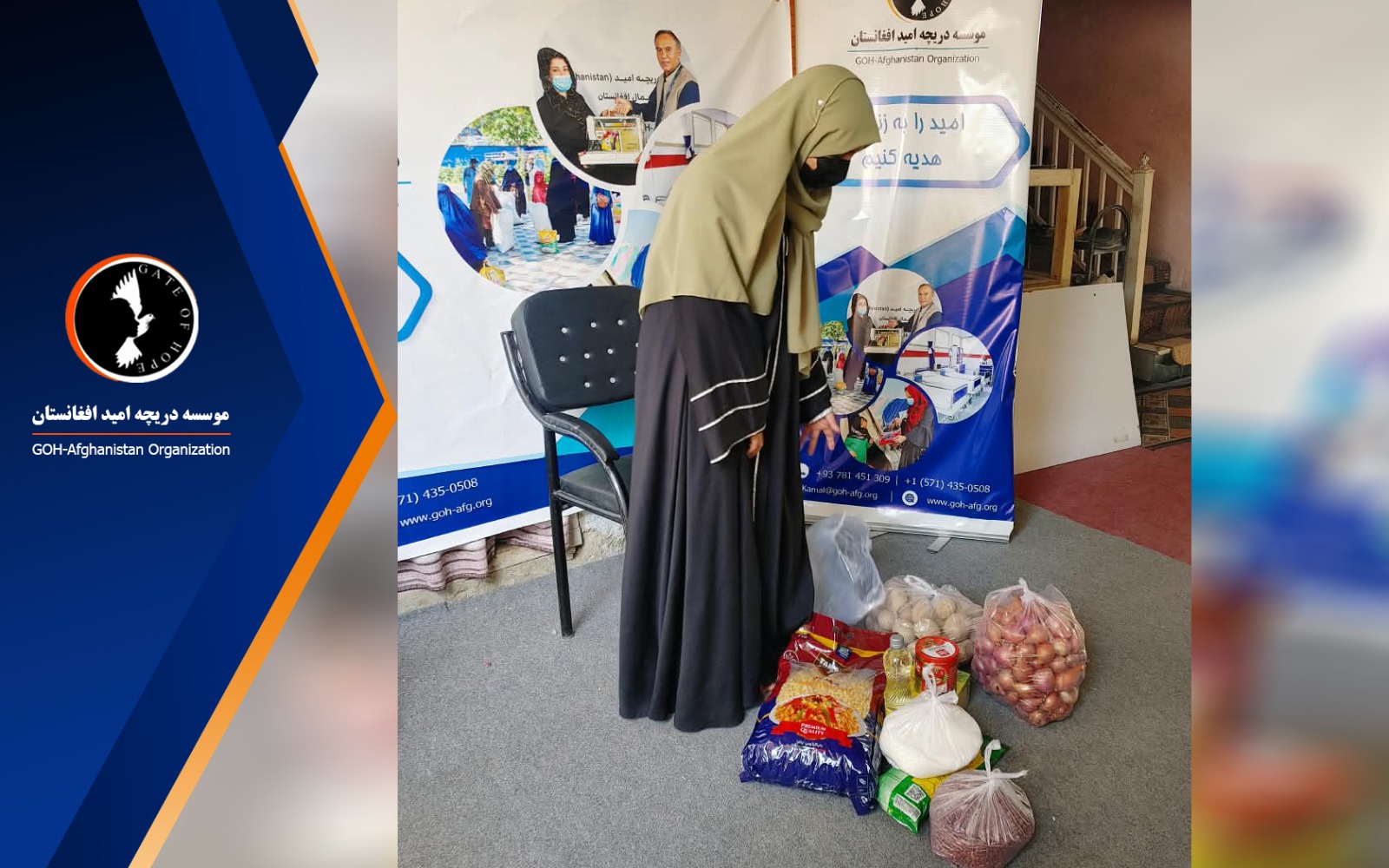
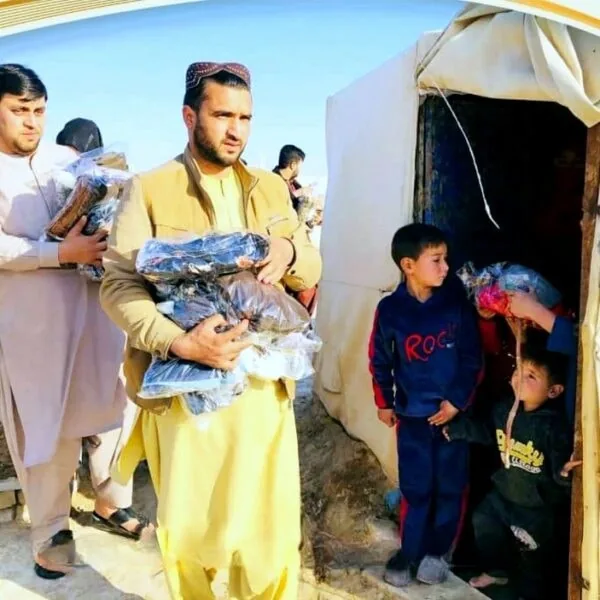
Gate of Hope volunteers carried bundles of packaged clothing directly to the doors of tents — meeting displaced Afghan children exactly where they live, and making sure aid arrived in their hands before the end of the day.
Direct Doorstep Clothing Aid Delivery in Displacement Camps
Gate of Hope field volunteers walked directly into an informal displacement camp carrying bundles of packaged clothing, delivering essential relief items straight to shelter entrances. Rather than establishing a centralized or distant distribution point that requires formal registration queues, field personnel moved tent by tent across the settlement. Inside these temporary encampments, children and families observe as volunteers approach their doors with packaged supplies. This direct delivery strategy helps ensure that immediate aid reaches households that are physically unable to travel across camps, establishing a respectful connection between relief workers and displaced residents while providing items directly where people live.
Operating within temporary settlements presents complex physical and administrative challenges for humanitarian efforts. By utilizing a doorstep distribution model, field personnel systematically reduce barriers for households that cannot carry heavy packages or wait in long queues under harsh weather. Deliveries are carried out steadily across camp rows so that families receive essential garments before the day ends, responding directly to immediate basic needs without forcing residents to navigate distant administrative facilities or navigate crowded staging areas.
Overcoming Distance to Reach Isolated Shelters
Displacement settlements across Afghanistan host families who have lost homes, stable infrastructure, and traditional livelihoods. Many camp residents live far from urban commercial centers and lack personal vehicle access, formal documentation, or the physical capability required to reach centralized distribution points. Gate of Hope’s doorstep approach directly addresses these systemic physical and logistical access gaps. Instead of expecting vulnerable individuals to travel long distances or navigate administrative queues, field personnel move directly to individual tent entrances. This method helps ensure that isolated households, elderly guardians, and young children are systematically included in distributions rather than being overlooked due to geographic isolation or physical mobility limitations.
National Displacement Context and Afghan Humanitarian Realities
According to comprehensive documentation from international organizations, Afghanistan experiences an ongoing humanitarian situation that severely impacts millions of displaced individuals across rural and urban provinces. Official UN reporting indicates that in 2026, an estimated 21.9 million people require urgent humanitarian assistance throughout the country, including more than 11.6 million children. Complex economic challenges, persistent instability, and severe environmental pressures such as recurring drought have forced numerous households to abandon their original villages and seek shelter within temporary displacement sites.
Within informal encampments, housing typically consists of lightweight canvas tents or temporary shelters built from plastic sheeting, wooden scraps, and compacted earth. These improvised structures offer minimal physical insulation against extreme seasonal temperatures and environmental exposure. For growing children, basic clothing items such as clean garments, sturdy shoes, and protective outer layers wear out quickly under harsh settlement conditions. When displaced families lack the financial resources needed to purchase replacement clothing in local markets, worn and frayed garments can leave young children vulnerable to cold temperatures, damp ground conditions, and preventable health concerns.
Practical Distribution Bypassing Queue Barriers
Traditional centralized distribution operations frequently require aid recipients to assemble early in the morning, present official identification documents, and wait in long queues exposed to severe outdoor weather. For single mothers caring for young infants, individuals with chronic illness or physical disabilities, and households lacking formal civil documentation, these administrative queue systems can create significant barriers to receiving basic support. By carrying packaged clothing sets directly to tent doors, field workers eliminate the need for centralized lining up. This practical field strategy prioritizes accessibility, personal dignity, and physical safety, helping ensure that essential relief items are delivered fairly without imposing unnecessary logistical or administrative burdens on vulnerable residents.
Field Logistics and Dignified Delivery Methods
Executing effective doorstep deliveries across informal camp environments requires careful preparation, localized coordination, and detailed field planning. Prior to arriving at a displacement site, Gate of Hope workers bundle clean clothing items into manageable, securely wrapped sets sorted according to general size categories and seasonal requirements. Field teams consult with camp elders and community representatives to map shelter layouts accurately, helping ensure that every tent within the designated area is identified and included during field visits.
Transporting packaged clothing sets through unpaved, uneven, or muddy camp pathways requires continuous coordination and physical effort from field teams. Volunteers work systematically, moving along established shelter rows to hand clothing bundles directly to household members at their doorways. This direct delivery format maintains respectful communication and preserves individual privacy, allowing families to receive support directly at their shelters without public crowds or extended disruption to their daily domestic routines.
Sustaining Humanitarian Presence and Community Accountability
Humanitarian assistance in informal displacement settlements cannot be treated as a single isolated activity. Sustained support requires ongoing community engagement, careful follow-up observation, and a continuous organizational commitment to displaced populations facing prolonged hardship. Gate of Hope remains committed to assessing conditions in camp environments following distributions, engaging with local representatives to understand supply quality and remaining community needs while maintaining active communication with affected households.
Responsible stewardship involves recognizing that clothing aid represents one part of a wider array of humanitarian support required during severe displacement context. Gate of Hope plans to maintain field visits to vulnerable encampments as long as displaced families face acute basic needs and shelter instability. Through structured distribution logistics and careful field practices, field workers strive to deliver practical, dignified assistance while upholding clear accountability standards to both aid recipients and supporting donor communities.
Ways to contribute
All gifts are pooled across the supplies, training, delivery, equipment, follow-up, and maintenance needed to run this work responsibly.
Examples describe pooled program support; they do not guarantee that a specific gift purchases a specific item or produces a fixed result.