In collaboration with Afghan Turk Schools, Gate of Hope provided essential supplies and warmth to orphans and displaced families facing the harshest conditions.
Winter Warmth for Afghan Orphans and Displaced Families: Direct Humanitarian Relief
In response to severe sub-zero cold and widespread internal displacement, Gate of Hope, in collaboration with Afghan Turk Schools, conducted a direct humanitarian intervention providing essential winter clothing and shoes to one thousand orphaned children and internally displaced families across vulnerable communities in Afghanistan. Freezing temperatures across the Afghan winter present an immediate physical threat to households living without reliable heating, adequate building insulation, or weather-appropriate outerwear. By distributing targeted seasonal apparel and sturdy footwear, this emergency initiative aimed to protect vulnerable children and uprooted families from cold-weather health risks, severe physiological exposure, and debilitating physical discomfort during the coldest months of the year.
Internally displaced families and orphaned children represent two of the most severely exposed groups in Afghanistan during severe winter weather. Uprooted from their original homes due to prolonged conflict, regional instability, and deep economic distress, displaced families frequently reside in informal settlements, overcrowded temporary quarters, or fragile structures that provide minimal defense against freezing wind, heavy snow, and damp ice. Children living without parental care face magnified health and safety challenges, as they often lack basic seasonal protective gear necessary to maintain daily mobility, personal hygiene, health, and basic dignity.
Direct Distribution and Community Coordination
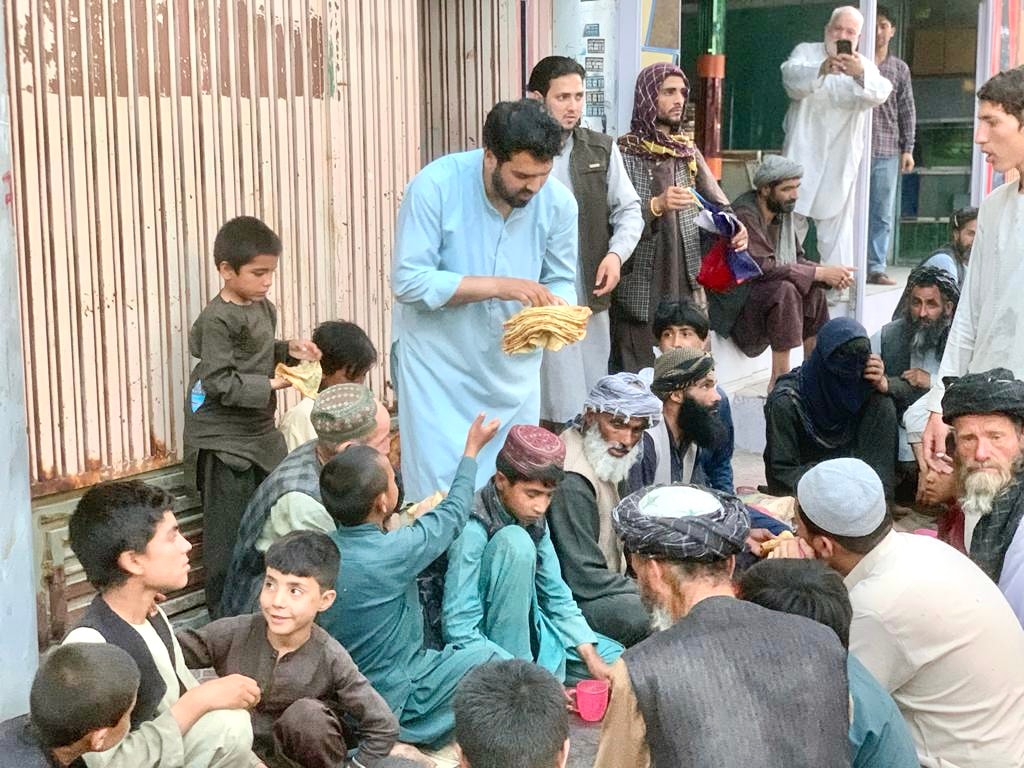
The joint relief operation relied on structured local coordination between humanitarian field workers from Gate of Hope and educational staff from Afghan Turk Schools. To ensure an equitable and carefully documented distribution process, project teams carefully identified and verified recipient lists based on objective vulnerability criteria, prioritizing parentless children and families residing in poorly insulated shelters. Winter garments and durable footwear were assembled and allocated to protect young children from freezing ground temperatures, persistent mud, and bitter seasonal winds, delivering vital relief to children who previously lacked adequate cold-weather attire.
Contextualizing Afghanistan's Severe Winter Humanitarian Crisis
The delivery of emergency winter clothing takes place against a backdrop of acute structural vulnerability and widespread poverty across Afghanistan. According to official humanitarian assessments published by the United Nations Children's Fund (UNICEF), an estimated 21.9 million individuals—including more than 11.6 million children—require urgent humanitarian assistance to meet basic life-sustaining needs. Deep economic hardship, widespread unemployment, and persistent environmental shocks have severely depleted household financial reserves, leaving millions of parents incapable of purchasing mandatory seasonal items such as heavy coats, warm shoes, heating fuel, or adequate winter food supplies.
Winter conditions in Afghanistan drastically compound existing health and nutritional vulnerabilities among young populations. Extended exposure to sub-zero temperatures elevates the rate of acute respiratory infections among malnourished infants and young children, while heavy snowfall and unpaved, icy roads impede travel to remote health centers and emergency care clinics. The United Nations World Food Programme (WFP) reports that millions of Afghans experience acute food insecurity throughout the winter period, forcing impoverishment-stricken households to balance critical expenditures between buying daily food rations and securing cold-weather garments for their children.
Practical Logistics, Field Verification, and Program Accountability
Organizing emergency distributions in complex operational environments requires rigorous planning, community consultation, and secure delivery mechanisms. Gate of Hope field personnel worked closely with respected community leaders and local institutional representatives to establish centralized, safe distribution sites designed to reduce travel burdens for recipient families. Through structured and respectful handover events, field workers confirmed that children received correctly fitted shoes and cold-weather clothing tailored to their physical needs, ensuring that aid was delivered with complete respect for personal dignity and safety.
Operational accountability requires continuous engagement beyond the initial distribution phase. Gate of Hope conducts systematic post-distribution monitoring and follow-up visits to evaluate the practical utility of distributed items, collect direct community feedback, and document remaining protection gaps within informal settlements. These follow-up assessments enable field teams to verify whether winter garments offer sufficient warmth under extreme weather conditions and determine whether households require additional humanitarian referrals, such as shelter reinforcement materials or emergency fuel assistance.
Collaborative Partnerships with Local Educational Networks
Partnering with established educational partners such as Afghan Turk Schools provides crucial institutional support, community trust, and enhanced logistical efficiency. Educational facilities often function as central, well-regarded community hubs where vulnerable children and displaced families can gather safely. By combining the local community relationships of educational administrators with Gate of Hope's emergency project management, the organization optimizes logistics, prevents duplicate distribution efforts, and ensures accurate documentation of every relief package delivered to children in need.
Sustaining Emergency Protection Programs
While immediate winter distributions offer life-saving protection against extreme cold, building long-term community protection requires sustained assistance and predictable funding streams. Gate of Hope works continuously to expand its humanitarian protection framework, integrating emergency cold-weather interventions with broader social support, educational access initiatives, and community stabilization activities. Protecting orphaned children and displaced families during the winter season remains a core operational priority for Gate of Hope as part of its ongoing commitment to supporting vulnerable Afghan communities.
Financial contributions from individual donors and institutional supporters are strictly pooled within designated program accounts to support comprehensive relief operations. Rather than earmarking individual donations for single items, collected funds are strategically distributed across essential project costs, including bulk supply procurement, regional logistics, transport fuel, community verification, gear assembly, and post-distribution evaluation. For example, a contribution of $10 helps fund pooled procurement of protective winter garments, while $15 supports shared transport and delivery across rugged terrain. A donation of $25 contributes to field verification and post-distribution follow-up visits, and $50 supports regional warehouse management and emergency supply storage.
Urgent community support is essential as cold weather continues and economic challenges burden vulnerable households across Afghanistan. Every gift made toward Gate of Hope's pooled relief funds enhances our capacity to deploy immediate aid, safeguard vulnerable children, and maintain the highest standards of operational accountability across all project regions.
Ways to contribute
All gifts are pooled across the supplies, training, delivery, equipment, follow-up, and maintenance needed to run this work responsibly.
Examples describe pooled program support; they do not guarantee that a specific gift purchases a specific item or produces a fixed result.