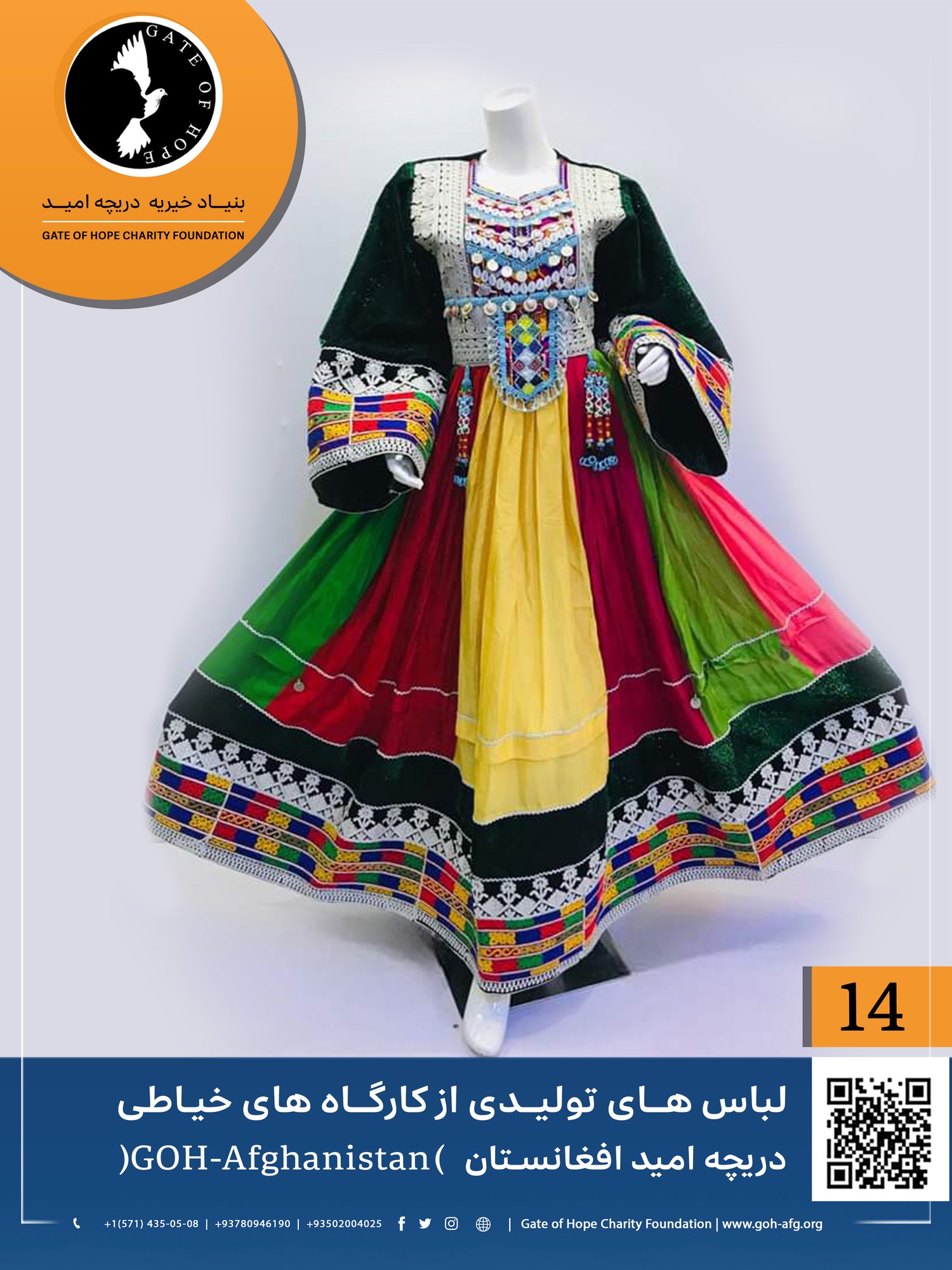
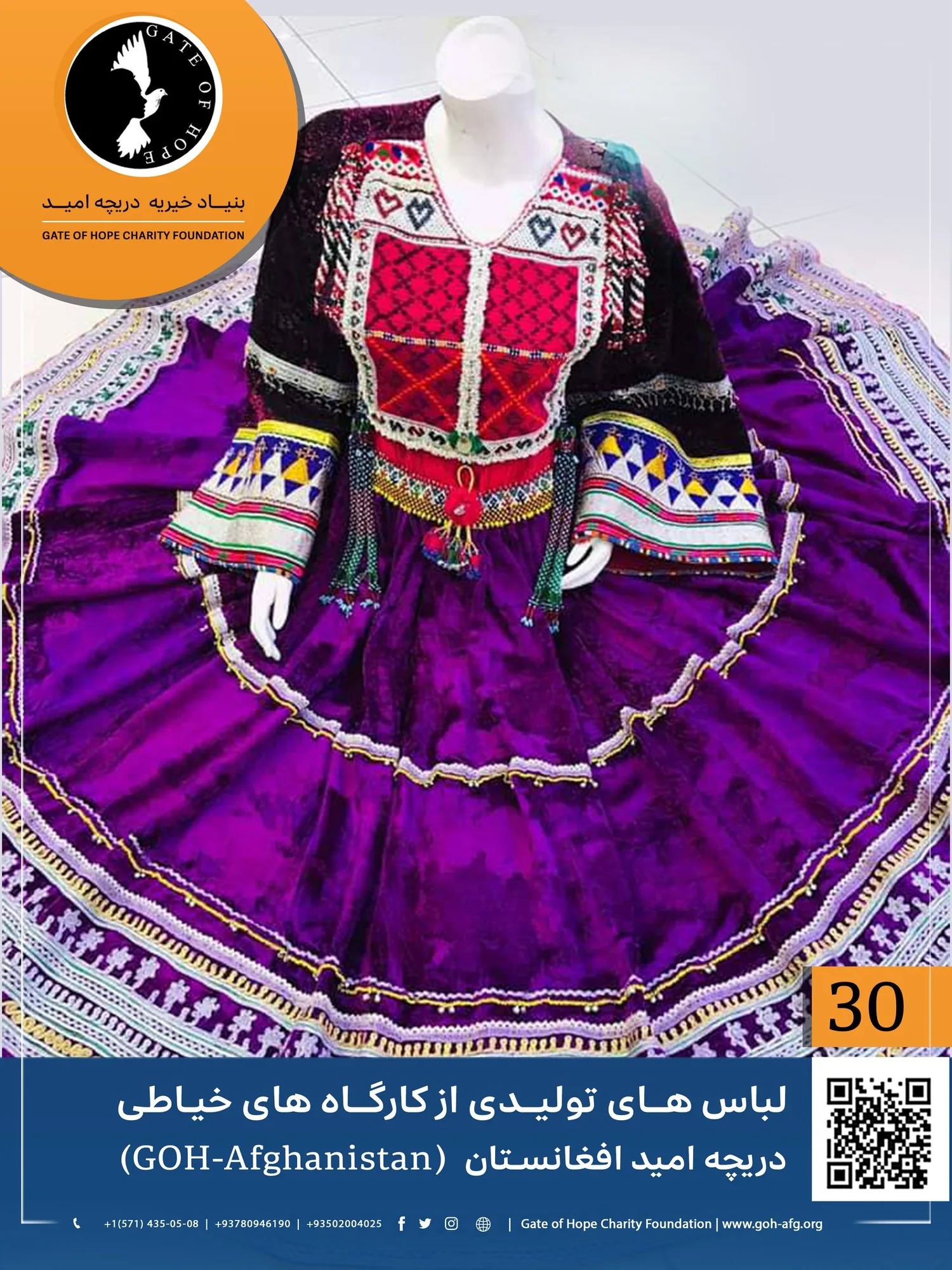
Gate of Hope's tailoring workshops produce beautiful, custom-made garments crafted with skill and care — while empowering Afghan women through sustainable livelihoods and vocational training.
Gate of Hope Tailoring Workshops and Custom Garment Creation
In Gate of Hope's tailoring workshops, skilled Afghan women gather around sewing machines to design, cut, and sew custom garments with care, precision, and artistic pride. These dedicated workshops represent far more than standard textile production spaces; they operate as empowering community hubs where vocational talent meets structured opportunity. Within these centers, artisans create traditional Afghan attire alongside contemporary clothing designs tailored precisely to individual client specifications. Every individual piece reflects high standards of craftsmanship, demonstrating how ethical production methods and practical trade instruction can weave dignity, purpose, and self-reliance into the daily lives of women working to secure sustainable livelihoods for their households.
The custom garments crafted in Gate of Hope workshops are designed to meet diverse customer preferences, balancing cultural heritage with contemporary utility. By prioritizing exact measurements, durable stitching, and high-quality finishing techniques, the workshops maintain a reputation for excellence that supports local market demand. Beyond the physical clothing produced, the core purpose of these tailoring workshops is to cultivate lasting self-reliance among participants. Women learn comprehensive garment construction—from pattern drafting to final pressing—gaining practical capabilities that serve as valuable economic assets. The program operates on the firm conviction that combining technical skill development with practical workshop infrastructure equips women to generate reliable income and contribute directly to their family's well-being.
Contextual Realities and Economic Exclusion in Afghanistan
The operational backdrop for women's programs in Afghanistan is shaped by severe socio-economic constraints and restrictive policy environments. Documented reports from international bodies, including United Nations agencies, outline persistent barriers that limit female secondary education, professional employment, and public movement across urban and rural provinces. According to data from the United Nations Development Programme, formal female employment outside the household remains extraordinarily low at approximately seven percent. With formal employment avenues severely restricted and many households facing acute financial vulnerability, community-level vocational initiatives provide one of the few practical channels through which women can acquire marketable skills and achieve degree-level financial independence without leaving their immediate cultural contexts.
Overcoming Structural Barriers Through Practical Vocational Access
Addressing systemic economic exclusion requires practical interventions tailored to local realities. Studies on labor market dynamics emphasize that supply-side support—including targeted trade training, tool distribution, and micro-enterprise guidance—is critical for building household resilience in fragile economies. Gate of Hope's tailoring workshops offer a safe, respectful, and structured setting where women receive systematic instruction in garment production. By focusing on a highly relevant trade with consistent domestic demand, the program offers a sustainable alternative to humanitarian relief dependency. Artisans gain technical autonomy, enabling them to fulfill local tailor orders, serve community clients, and contribute meaningfully to local economic activity despite broader macro-economic challenges.
Curriculum, Workshop Logistics, and Artisanal Skill Building
Prior to taking on commercial garment orders, every artisan in a Gate of Hope tailoring workshop completes a structured vocational curriculum focused on practical garment construction. Master trainers guide participants through every step of the tailor's craft, beginning with exact body measurement techniques, pattern drafting, and efficient fabric cutting designed to minimize material waste. Trainees then advance to sewing machine operation, seam finishing, buttonhole stitching, and presswork. Operational logistics prioritize safety, proper lighting, ergonomic seating, and regular equipment upkeep, creating an environment optimized for learning and precision craft. This thorough training ensures every completed garment meets strict quality standards while establishing strong professional habits.
Developing Enterprise Capabilities and Business Literacy
Beyond mastering the mechanical aspects of sewing, workshop participants receive practical training in small-business operations and client management. The educational modules cover essential enterprise skills, including calculating raw material expenses, determining labor time, pricing custom items competitively, and managing customer delivery timelines. Participants learn how to keep simple financial records, handle order inquiries, and manage small production workflows. By integrating financial literacy with artisanal training, Gate of Hope ensures that women are not merely seamstresses executing tasks, but knowledgeable craftspeople capable of managing orders, collaborating on cooperative projects, or managing independent micro-tailoring businesses within their local communities.
Accountability, Community Impact, and Future Program Commitment
The positive effects of vocational skill acquisition extend far beyond the immediate workshop floor. When an Afghan woman earns an independent wage through her tailoring work, research consistently shows that her earnings are directed toward fundamental family needs, such as nutritious food, healthcare services, and educational supplies for children. Economic independence enhances a woman's voice in household decision-making and positions her as a capable, respected contributor within her community. Gate of Hope maintains operational accountability through structured monitoring, periodic quality checks on workshop outputs, and ongoing consultations with local community leaders, ensuring that activities remain transparent, culturally grounded, and responsive to participant feedback.
Gate of Hope remains dedicated to sustaining its existing tailoring workshops while working to expand these centers into additional underserved provinces across Afghanistan. Expanding these vocational spaces requires continuous investment in sewing machinery, raw materials, workshop space rentals, and master trainer stipends. All donor contributions provided to Gate of Hope are pooled across program needs to sustain logistics, supply chains, equipment maintenance, and participant support. Your vital financial participation enables Gate of Hope to maintain these transformative learning environments, giving more Afghan women the tools, skills, and confidence needed to weave brighter, more resilient futures for themselves and their families.
Ways to contribute
All gifts are pooled across the supplies, training, delivery, equipment, follow-up, and maintenance needed to run this work responsibly.
Examples describe pooled program support; they do not guarantee that a specific gift purchases a specific item or produces a fixed result.