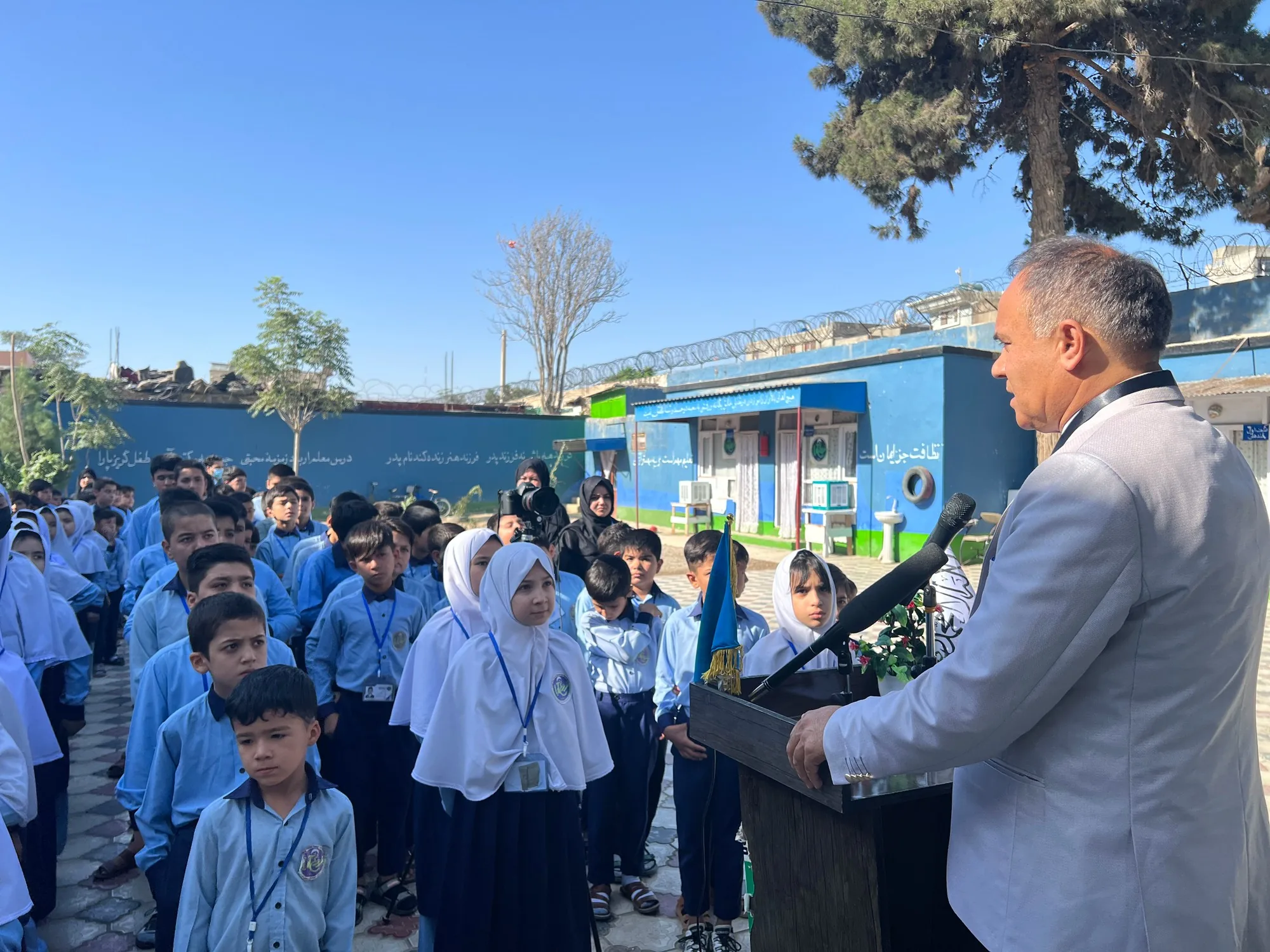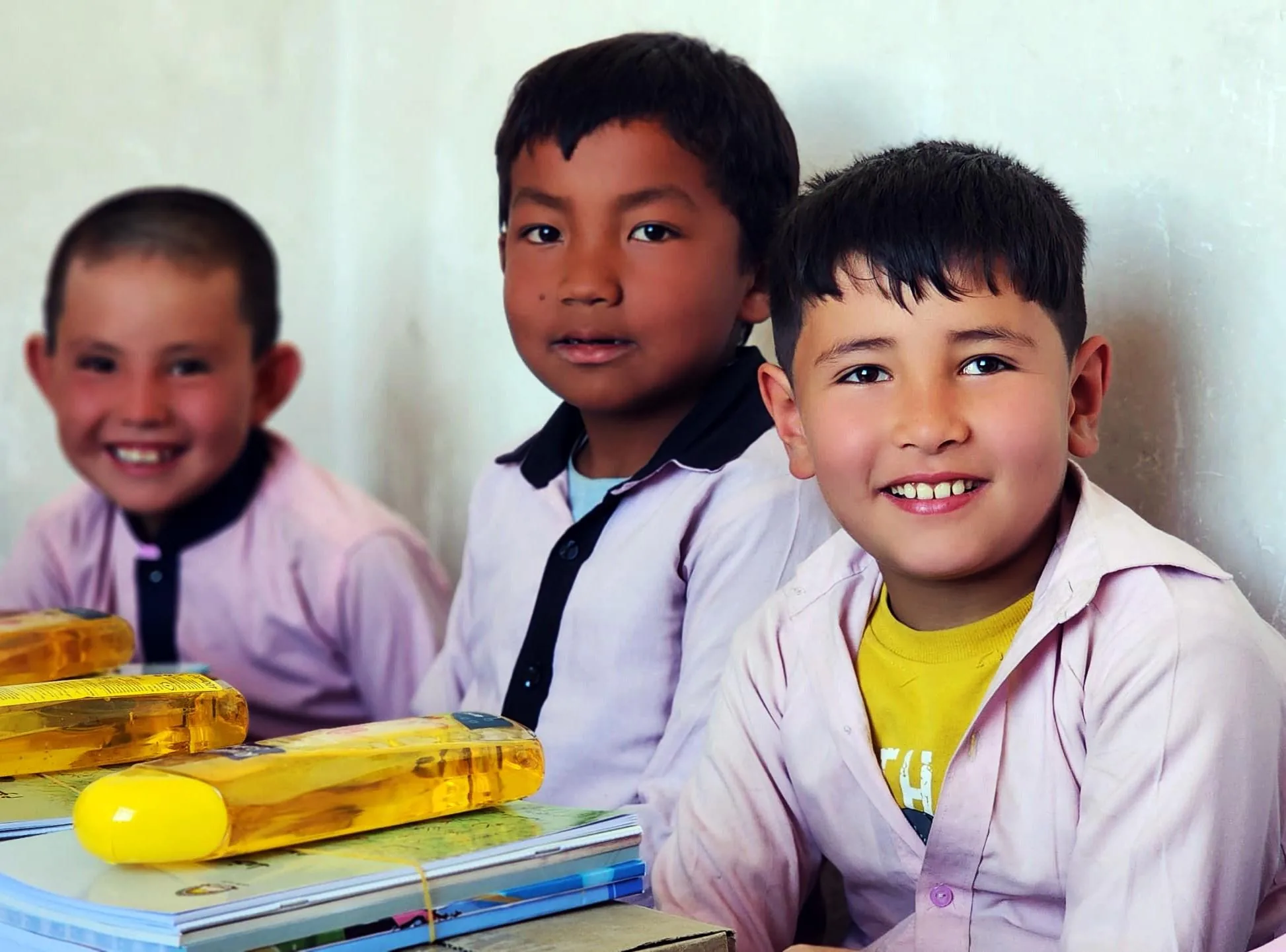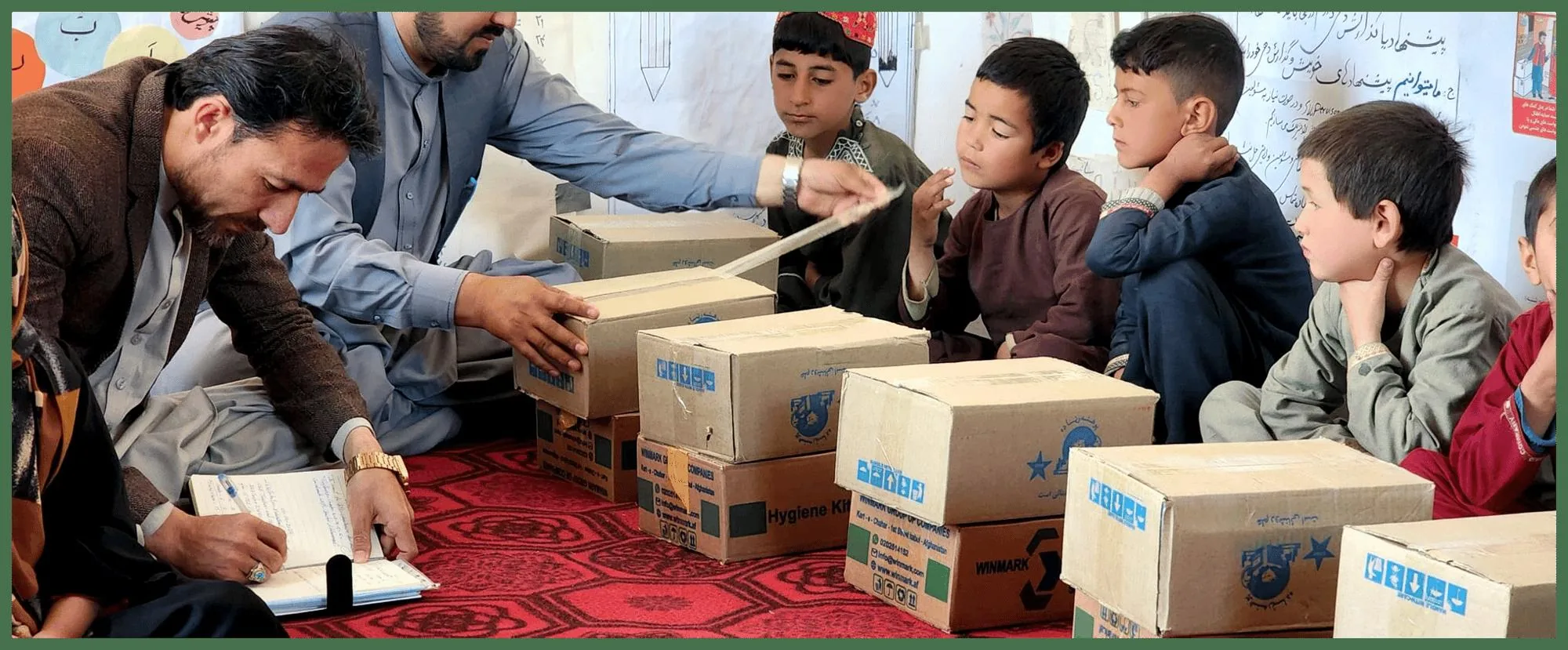
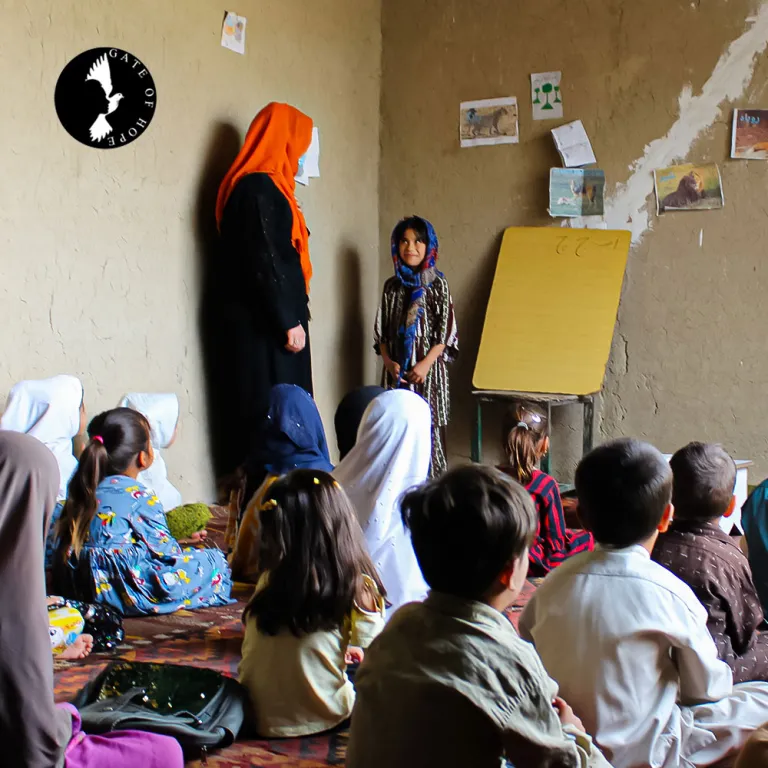
Recognizing education as a cornerstone of a society's future, Gate of Hope is working to break down barriers and ensure every Afghan child has access to quality learning.
Fortifying the Educational Landscape for Marginalized Communities
Education stands as one of the most vital structural foundations for the long-term future and stability of any community. In Afghanistan, where severe socio-economic, political, and cultural challenges persist, the transformative power of accessible learning becomes even more profound. Gate of Hope has taken commendable and structured strides toward strengthening the educational landscape for the marginalized sections of the Afghan community. Central to this strategic initiative is the establishment of formal partnerships with local educational centers. By entering into memoranda of understanding with several established educational centers, Gate of Hope works deliberately to break down financial barriers and build an inclusive learning environment. These formal agreements establish special discounted tuition rates, directly minimizing the economic obstacles that frequently prevent vulnerable individuals from accessing formal instruction and fulfilling their potential.
The initiative specifically focuses on four highly vulnerable groups within the Afghan population: women, children of martyred families, individuals living with disabilities, and underprivileged households. Each of these distinct populations carries unique socio-economic and structural challenges. Afghan women face ongoing cultural restrictions and safety concerns that limit their access to educational spaces. Children from martyred families confront psychological trauma, household instability, and the sudden loss of primary economic providers. Individuals with disabilities encounter persistent social stigma alongside severe infrastructural obstacles within conventional learning facilities. Meanwhile, children from underprivileged families are routinely excluded from schooling simply because their parents cannot afford standard monthly tuition fees. Gate of Hope’s collaborative program actively addresses and seeks to bridge each of these gaps by negotiating reduced fee structures directly with partner facilities.
Addressing National Needs within the Afghan Context
Understanding the urgent necessity of these local educational interventions requires examining the severe national context documented across Afghanistan. According to reporting from UNESCO and UNICEF, an estimated 2.13 million primary school-aged children across the country remain completely out of school, with overall estimates indicating nearly four million out-of-school children nationwide. Furthermore, joint agency evaluations reveal that 90 percent of ten-year-old children in Afghanistan are unable to read or understand a simple text, highlighting a profound crisis in basic foundational literacy. Structural deficits further deteriorate learning quality, with nearly half of all schools lacking safe, dedicated buildings, 79 percent operating without electricity, and many lacking clean water, sanitation facilities, or protective boundary walls. In this constrained environment, non-governmental partnerships with local educational centers serve as a critical mechanism for preserving learning opportunities for marginalized populations.
Overcoming Disruption Through Academic Continuity
A defining pillar of Gate of Hope’s initiative is its unwavering emphasis on academic continuity—ensuring that marginalized groups can pursue their education in a regular, uninterrupted manner. Sporadic or fragmented educational access is frequently counterproductive, leading to severe academic disruption, loss of foundational skills, and decreased student motivation. When extreme financial pressure forces students to repeatedly drop out and re-enroll, learning retention declines dramatically. Gate of Hope’s collaboration with partner educational centers provides a predictable structure that allows students from vulnerable backgrounds to remain consistently enrolled over extended periods. Sustained instructional engagement helps foster essential literacy, numeracy, and life skills, nurturing an educated, empowered, and inclusive community despite broader national challenges.
Practical Implementation and Operational Rationale
The practical implementation of this program relies on targeted administrative coordination with existing, operational educational centers across local communities. Rather than constructing new facilities, Gate of Hope leverages existing educational infrastructure through formal memoranda of understanding. Operational activities include establishing verified discount rates with center management, facilitating enrollment procedures for qualified beneficiaries, and maintaining administrative channels to track tuition subsidies. This streamlined delivery model minimizes operational overhead while ensuring that financial relief directly lowers the tuition barrier for participating students. Partner centers provide classroom spaces, qualified instructors, and standardized curricula, while Gate of Hope’s collaborative framework ensures that economic hardship does not completely bar marginalized individuals from enrollment.
Guiding Principles and Institutional Purpose
Gate of Hope conducts its educational support operations with strict commitment to institutional accountability, and dignity for every beneficiary. Program evaluations distinguish documented outputs—such as active memoranda of understanding signed with educational centers and negotiated fee reductions—from broader developmental goals. Staff members conduct periodic administrative monitoring to ensure partner institutions maintain agreed discount structures and provide safe, inclusive learning environments for enrolled students. Rather than offering broad, unverified claims about long-term systemic impact, Gate of Hope focuses on careful reporting and steady operational follow-up. This honest framework guarantees that donor funds are handled responsibly, targeting direct tuition relief and supporting vulnerable Afghan learners in a respectful, sustainable manner.
Sustaining Hope Through Community Support
Restoring accessible education for marginalized communities in Afghanistan requires persistent local commitment and continuous international support. When women, children of martyred families, disabled individuals, and low-income students gain access to structured learning, the positive effects resonate far beyond individual classrooms. Gate of Hope remains deeply committed to expanding its network of partner educational centers, ensuring that economic hardship does not eliminate the fundamental right to learn. Supporting these efforts provides essential backing for administrative coordination, subsidized tuition arrangements, and basic educational materials, enabling marginalized students to build knowledge and dignity within safe, supportive local learning environments.
The educational crisis facing Afghanistan demands urgent, compassionate, and sustained action. Through collective contributions, Gate of Hope can continue entering into vital memoranda of understanding, expanding discounted tuition opportunities, and upholding the rights of vulnerable learners across the country. Your solidarity helps ensure that financial poverty, social stigma, and institutional barriers do not close the door to education. Together, we can support accountable, community-driven educational programs that offer meaningful learning opportunities and foster renewed hope for Afghanistan’s most marginalized children and families.
Ways to contribute
All gifts are pooled across the supplies, training, delivery, equipment, follow-up, and maintenance needed to run this work responsibly.
Examples describe pooled program support; they do not guarantee that a specific gift purchases a specific item or produces a fixed result.