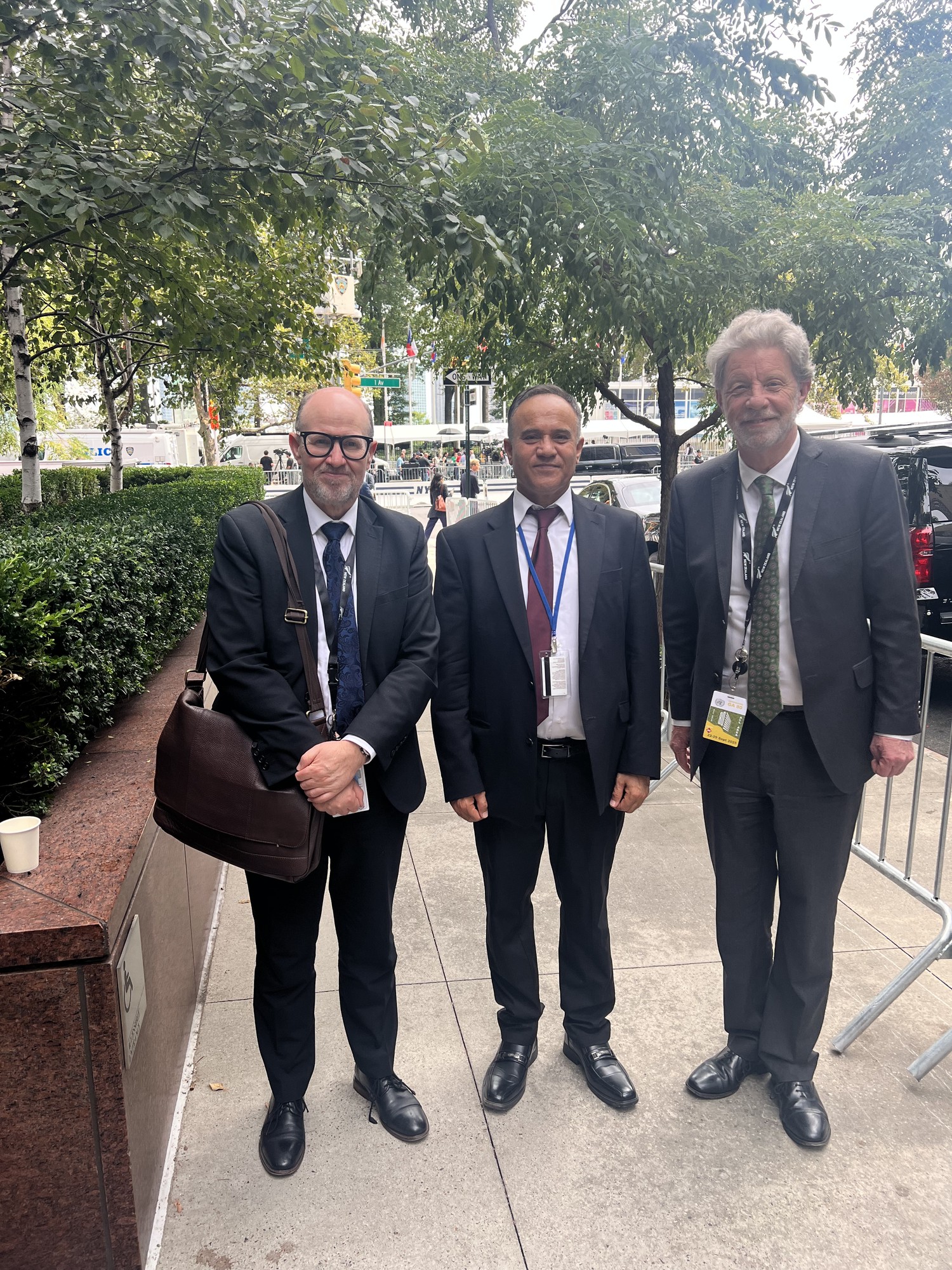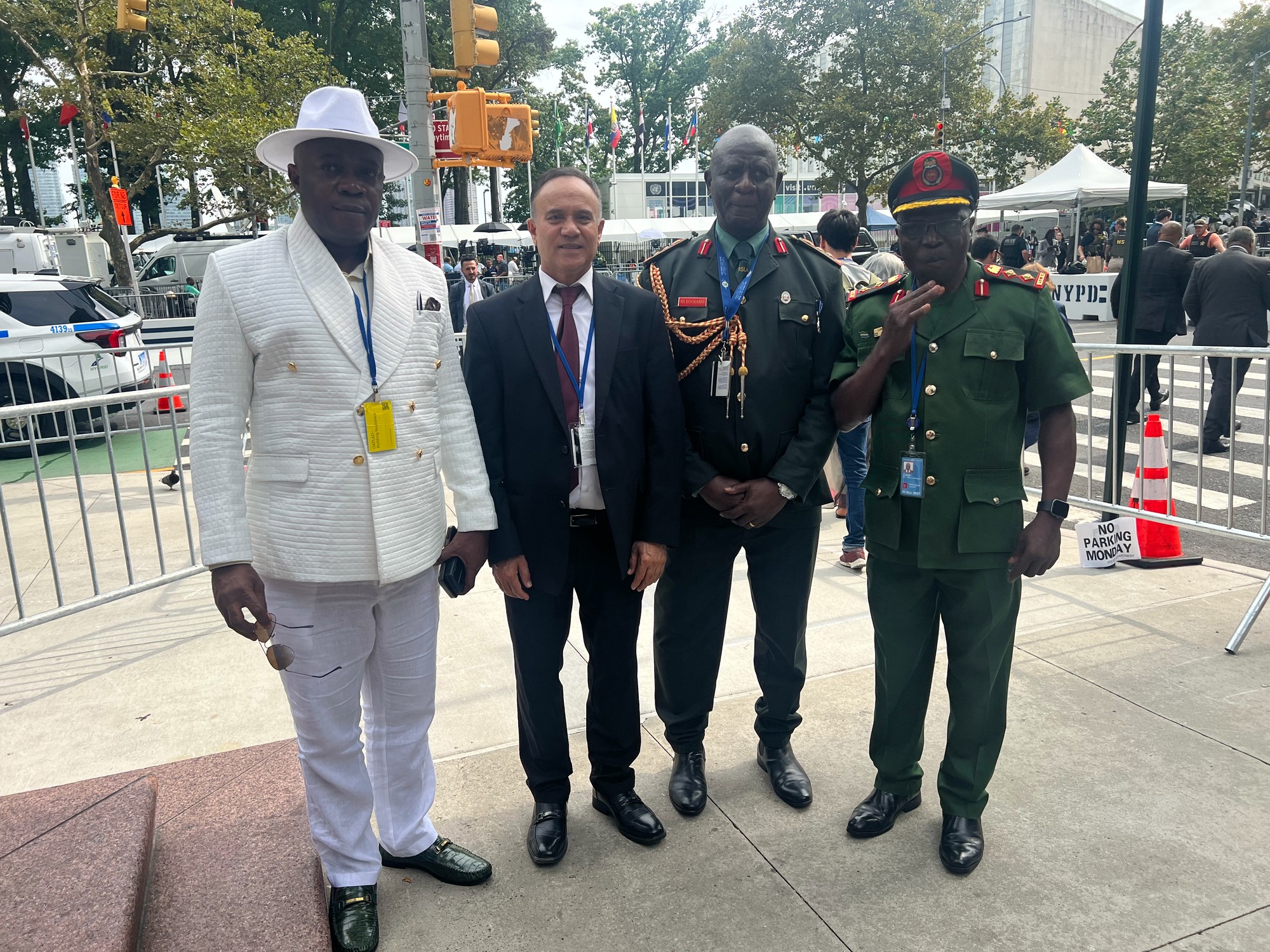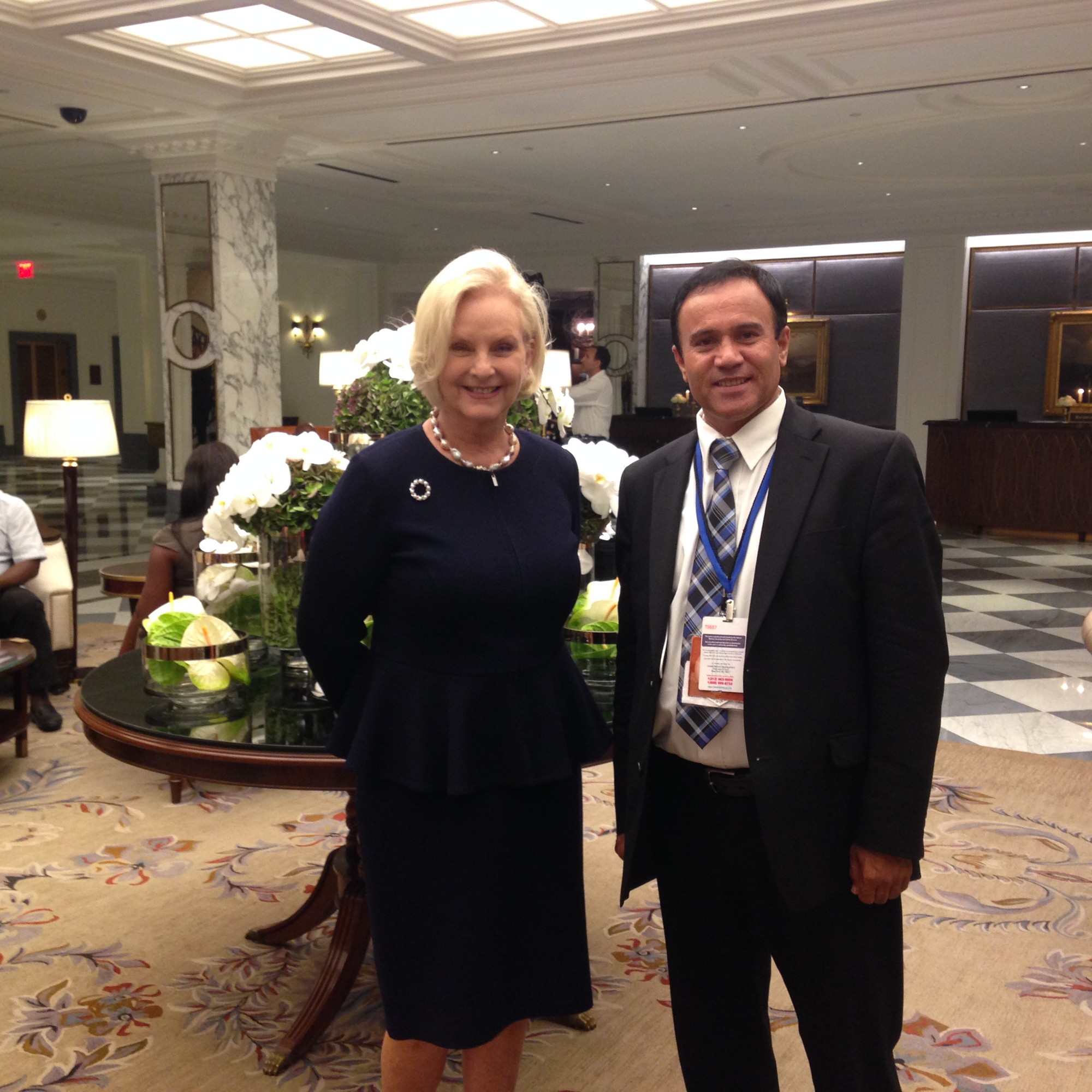
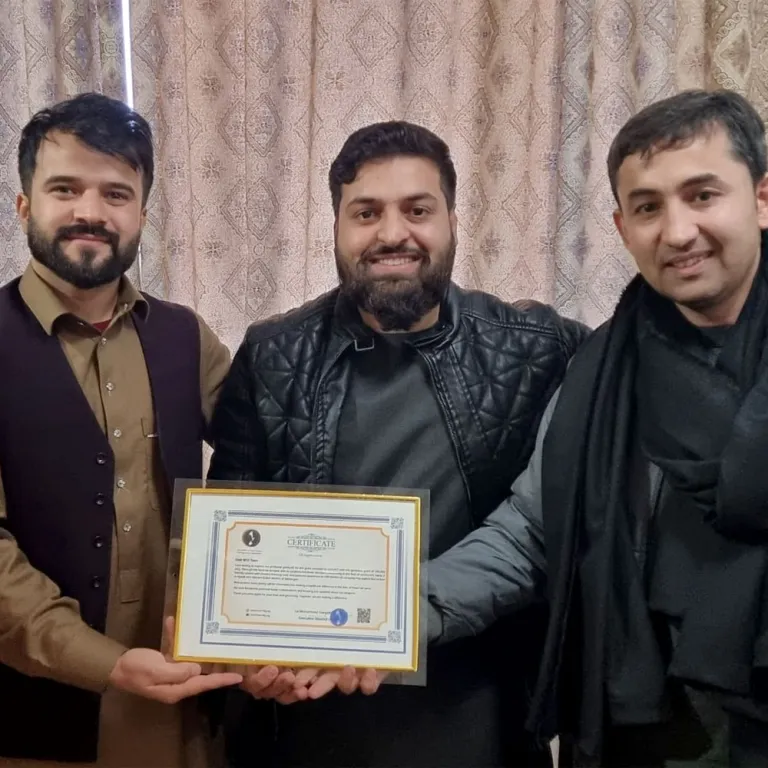
Gate of Hope extends its gratitude to War Child Canada for their collaboration on the HPSA Project — a testament to the power of international partnership in humanitarian work.
Honoring International Collaboration in Psychosocial Care
Gate of Hope formally extended its appreciation to War Child Canada for their shared work on the HPSA Project, also known as the Holistic Psychosocial Support and Assistance Project. This collaboration represents a significant chapter in Gate of Hope's ongoing efforts to address the psychosocial needs of Afghanistan's most vulnerable children and families. Across conflict-affected communities, families endure deep hardships that impact emotional well-being, stable caregiving, and overall social resilience. By uniting international experience with community-rooted initiative, this joint effort sought to establish structured, compassionate pathways for individuals seeking support amid ongoing hardship.
The formal letter of appreciation transmitted by Gate of Hope to War Child Canada served as an open recognition of principled cooperation between local non-governmental organizations and international partners. Rather than treating aid delivery as a isolated transaction, the alliance grounded its activities in mutual respect and complementary operational capacity. In conflict-affected settings, delivering effective psychosocial assistance requires both high-level clinical and methodological standards and the nuanced understanding of local customs, languages, and social structures that only national organizations hold. The acknowledgement of this milestone underlines the necessity of sustained solidarity across borders when addressing complex, long-term human recovery.
Combining Local Presence and International Expertise
The operational foundation of the HPSA Project brought together the distinct strengths of both partner institutions. Gate of Hope contributed deep local knowledge, direct community access, and built-in trust earned through continuous service across Afghan communities. Concurrently, War Child Canada provided specialized expertise in child-centered psychosocial programming, international child welfare standards, and evidence-informed technical frameworks designed specifically for conflict-affected environments.
Community Trust and Psychosocial First Aid
Within this framework, community facilitators were trained in psychosocial first aid, equipping local focal points with key skills to identify distress, offer immediate emotional grounding, and facilitate safe referrals. Children and families who had experienced acute trauma were able to access structured, compassionate support tailored to their immediate emotional and social needs. By transferring practical knowledge directly to local facilitators, the intervention established immediate support mechanisms while simultaneously reinforcing community-level resilience against future emotional and psychological strain.
Working in environments affected by prolonged conflict requires practical sensitivity to how trauma manifests within households. Children often experience disruptions in schooling, routine, and familial security, while parents face severe distress compounded by economic and physical insecurity. The methodology developed through this project recognized these interconnected family dynamics, providing safe spaces and structured activities that encouraged emotional recovery, mutual care, and practical coping strategies.
Afghan Context and the Ongoing Need for Child Support
The necessity for structured psychosocial interventions in Afghanistan is underscored by the extraordinary humanitarian challenges facing the national population. Decades of conflict, severe economic instability, and environmental stress have created widespread vulnerability across urban and rural provinces alike. According to humanitarian assessment data published by UNICEF, an estimated 21.9 million individuals in Afghanistan require humanitarian assistance, including more than 11.6 million children. These numbers reflect not only physical deprivations in food, clean water, and healthcare, but also an overwhelming mental health burden borne by millions of young people whose daily lives remain impacted by instability.
National Challenges Facing Conflict-Affected Youth
The emotional toll on children growing up in these environments can impair long-term development, social reintegration, and educational engagement. When children lack access to safe environments or structured mental health support, trauma can persist and compound over generations. Integrated initiatives like the HPSA Project aim to create accessible interventions within communities, ensuring that psychosocial care is not treated as an elite luxury, but as an essential element of holistic humanitarian response.
Addressing these widespread needs requires persistent collaboration among international agencies, national non-profits, and local community leadership. As aid resources remain strained across multiple sectors, establishing proven, replicable models of psychosocial first aid and family care ensures that available resources achieve maximum reach and long-term utility across Afghanistan's most affected provinces.
Careful Stewardship and Next Steps for Community Healing
Beyond acknowledging past accomplishments, Gate of Hope's formal communication to War Child Canada represents an invitation to maintain and expand principled alliances across the humanitarian sector. The collaborative model established through the project demonstrated how evidence-based psychosocial support can be operationalized efficiently within local structures, serving as a framework suitable for replication in other underserved provinces across Afghanistan. Sustainable recovery requires ongoing monitoring, structural follow-up, and continuous engagement with local communities to ensure that support mechanisms remain responsive to evolving needs.
Careful stewardship and public accountability remain fundamental to Gate of Hope's operational mandate. Every donor contribution received by Gate of Hope is pooled directly across essential program requirements to ensure resources are deployed where urgent needs arise. Modest gifts—such as $10, $15, $25, or $50—serve as contributions toward pooled humanitarian supplies, facilitator training materials, transport and delivery logistics, community equipment, program follow-up, and operational maintenance. These contributions help maintain stable operational infrastructure, enabling local teams to deliver structured care and sustain community trust without making unwarranted promises or guaranteeing individual outcomes.
Sustaining impactful psychosocial programs requires dependable public support and continuous solidarity with Afghan communities. Gate of Hope invites international partners, donors, and advocates to support its ongoing humanitarian mission. Through shared commitment and careful resource management, local initiatives can continue providing vulnerable children and families with the dignity, safety, and compassionate support necessary to rebuild their lives.
Ways to contribute
All gifts are pooled across the supplies, training, delivery, equipment, follow-up, and maintenance needed to run this work responsibly.
Examples describe pooled program support; they do not guarantee that a specific gift purchases a specific item or produces a fixed result.