Despite a severe shortage of classrooms, thousands of Afghan children study outdoors every day — under the scorching summer sun and the freezing winter cold — holding onto hope for a brighter future. Education is the right of every child, not a privilege determined by circumstances.
Afghan Children Outdoor Classrooms: Learning Under the Open Sky
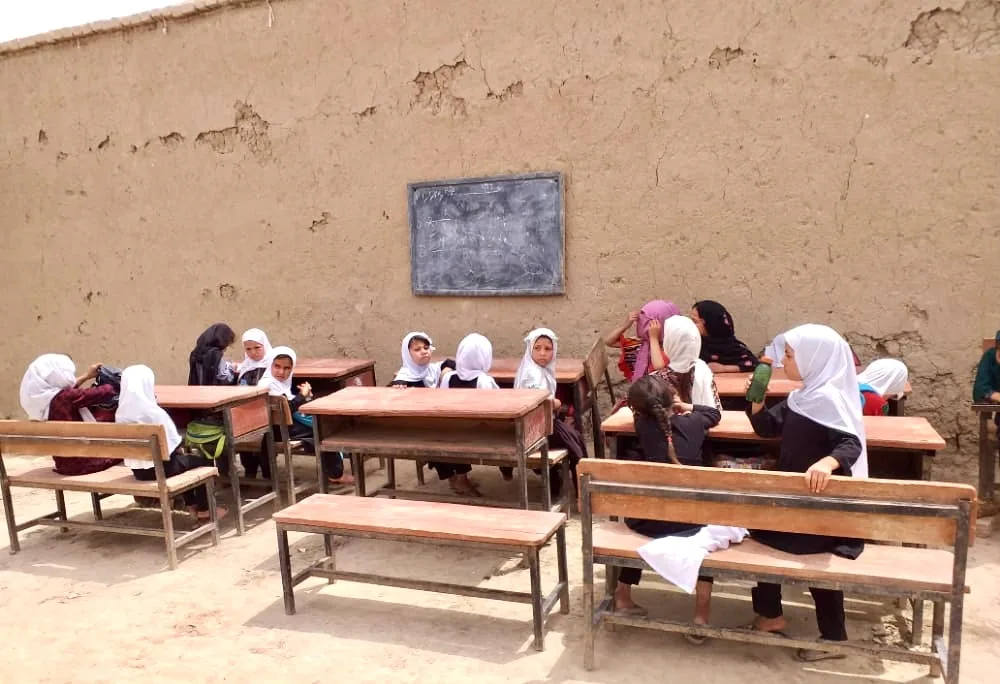
Across bare hillsides, open fields, and unpaved courtyards, thousands of young students sit on the hard earth every day because their communities lack functioning school buildings. For these students, Afghan children outdoor classrooms are not a temporary novelty; they represent the daily reality of seeking basic literacy and numeracy. In these open-air settings, there are no structural walls to block the wind, no roofs to shield against solar heat, and no desks or chairs to provide physical comfort. A dedicated teacher stands before rows of seated children, delivering lessons across open land. Students often walk long distances across rugged terrain simply to reach these informal gathering points, carrying their few textbooks under their arms.
The environmental conditions in these exposed spaces present severe daily obstacles for pupils and educators alike. During summer, temperatures frequently exceed 40 degrees Celsius, forcing children to sit under relentless, direct sunlight without shade. In winter, freezing temperatures coat the ground with frost, and biting winds cut through thin clothing. Rain and dust storms can instantly disrupt instruction, scattering paper and forcing groups to seek temporary shelter wherever possible. Despite these extreme environmental pressures, children continuously return to their open-air lessons, demonstrating an uncompromising commitment to basic education even when physical infrastructure is completely absent.
While the determination of these students and teachers is extraordinary, open-air study under severe weather should never be accepted as a long-term standard. Studying under the open sky is a stark symptom of systemic educational facility shortages across Afghanistan. Education is a fundamental human right, not a privilege reserved for those with access to safe buildings. When young boys and girls are compelled to write in notebooks balanced on their knees in the dirt, it highlights an urgent imperative to help establish safe, sheltered, and dignified learning environments.
Systemic Deficits and National Educational Needs
The reality of Afghan children outdoor classrooms reflects a vast national infrastructure crisis affecting millions of children. According to data from the Afghanistan Education Situation Report 2025 published by UNESCO and UNICEF, over 2.13 million primary-school-aged children remain out of school nationwide. For those who do attend informal or community-based learning sessions, physical conditions are often precarious. The acute shortage of functional classrooms leaves entire cohorts struggling to acquire foundational reading and math skills, placing immense strain on communities enduring broader economic hardship.
Critical Infrastructure Gaps in Primary Schools
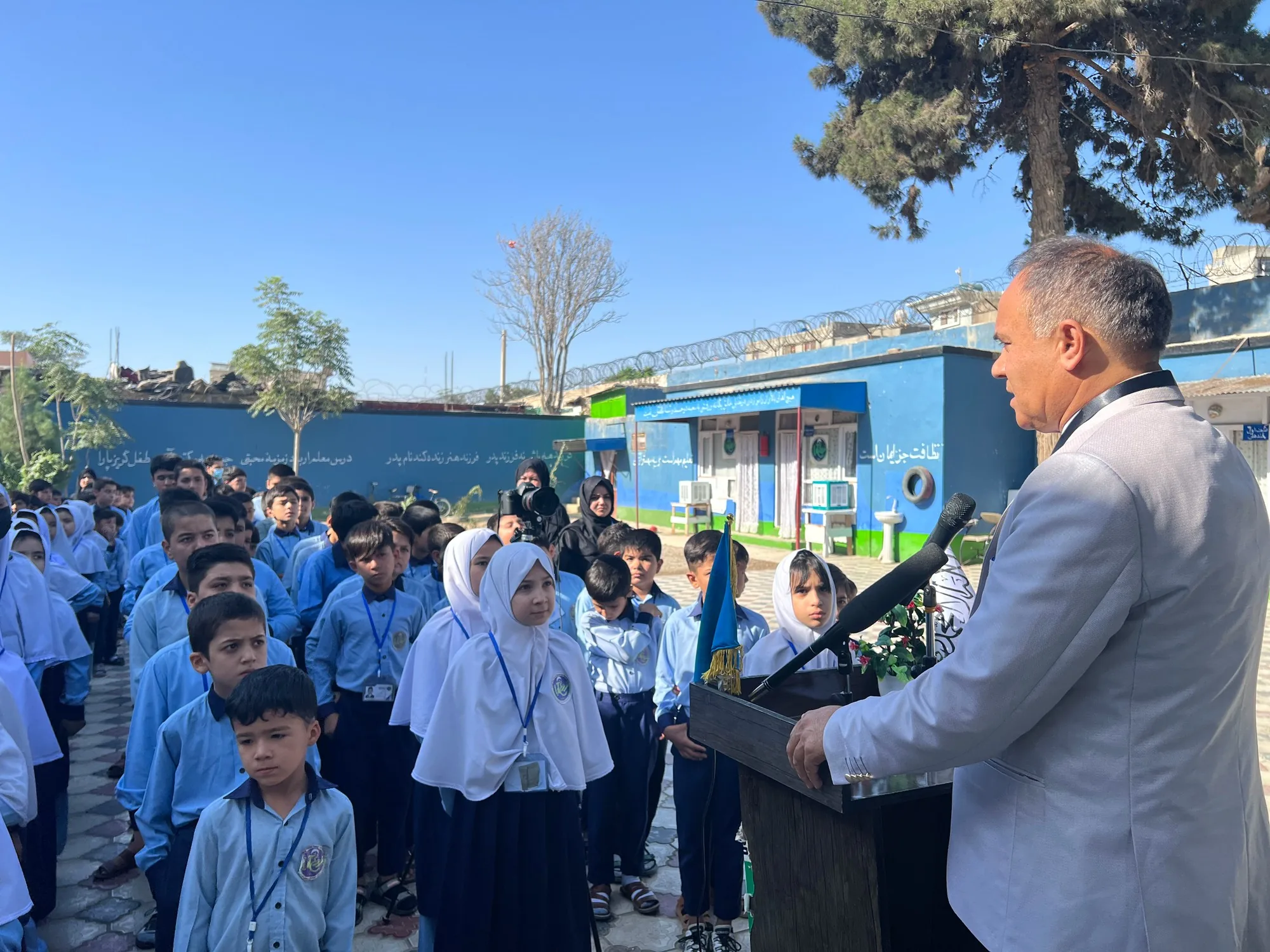
Infrastructure deficits across Afghanistan extend far beyond missing furniture. Official reports show that nearly half of all existing primary schools lack safe, structurally sound buildings. Furthermore, 79 percent of schools operate without electricity, while many lack clean drinking water, basic sanitation, or boundary walls. Without boundary walls or secure structures, outdoor and semi-informal learning sites leave students vulnerable to extreme weather and safety concerns. These physical deficiencies severely diminish instruction quality and create substantial attendance barriers for vulnerable children.
When school buildings are damaged or unavailable, communities improvise using open fields or courtyards. However, these spaces cannot replace functional classrooms. The absence of blackboards, wind protection, and proper seating severely hinders learning. As a result, educational retention remains fragile, with international assessments indicating that a vast majority of young learners struggle to reach basic literacy milestones under such exposed conditions.
Gate of Hope’s Response and Community Partnerships
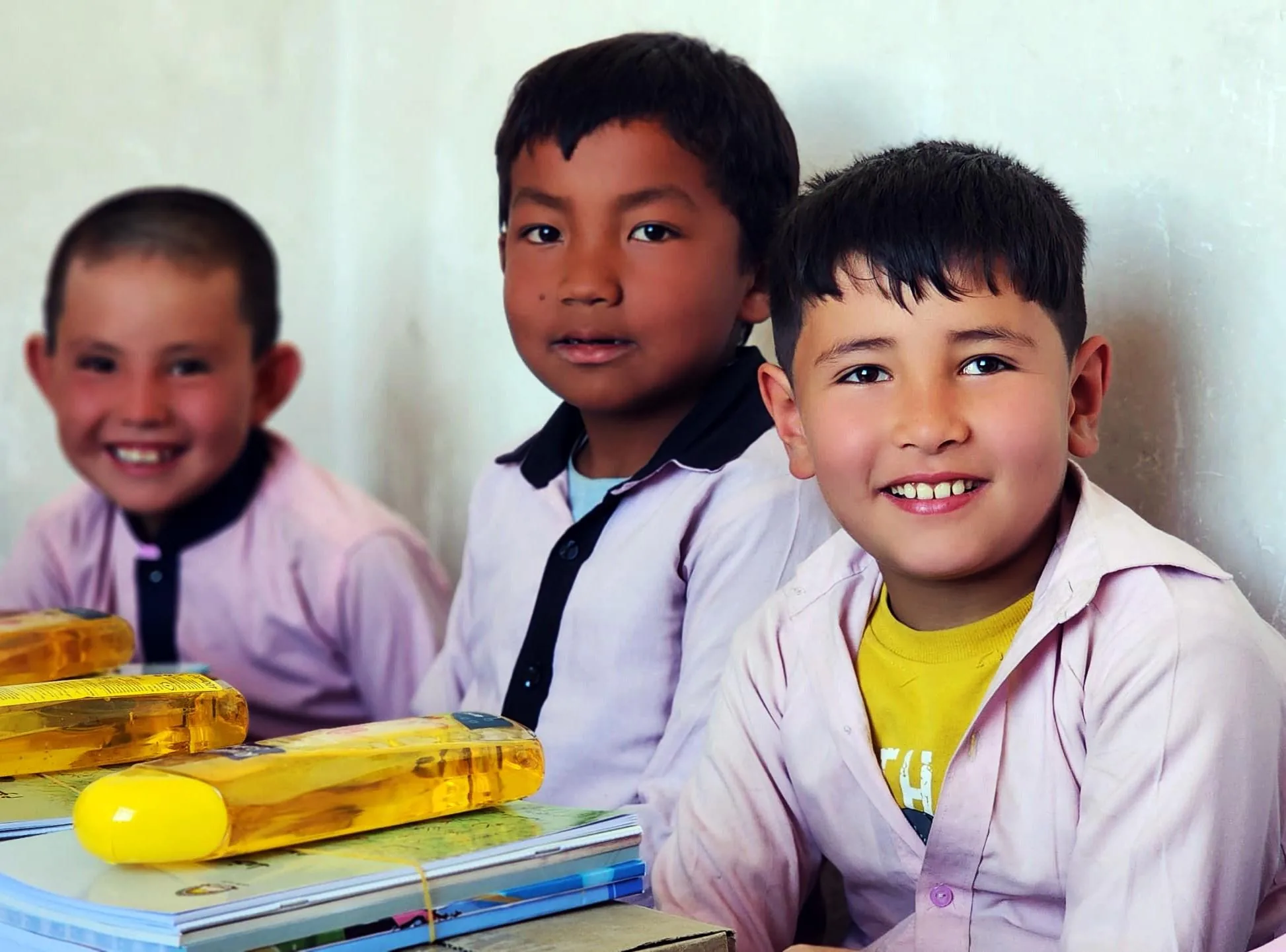
In response to these structural gaps, Gate of Hope works to strengthen primary education access by helping communities establish safer, more stable learning environments. The organization’s educational efforts focus on rehabilitating damaged classroom facilities, constructing protective structures, distributing essential learning materials, and supporting local teachers. By addressing physical shortages while advocating for educational rights, Gate of Hope aims to transition children out of harsh weather into secure spaces where structured study can thrive. Restoring physical dignity to classrooms is essential for sustained learning and child well-being.
Practical Delivery and Community Engagement
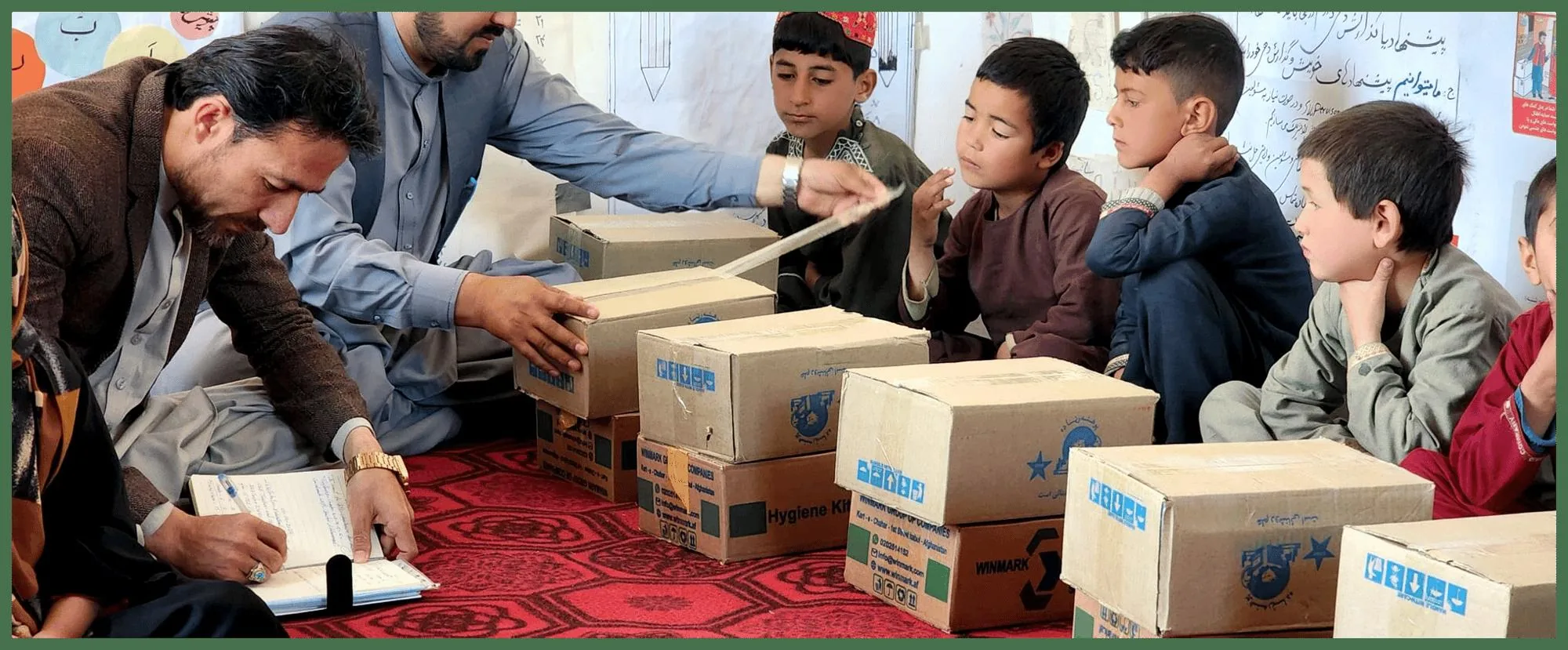
Delivering educational assistance across remote regions requires careful logistical planning and strong community partnerships. Gate of Hope collaborates directly with local elders, teachers, and parents to identify spaces where facility needs are most urgent. Implementation involves transporting building materials, floor mats, and learning kits over challenging terrain, as well as setting up temporary weather-resistant spaces while permanent solutions are developed. By prioritizing community engagement, these initiatives ensure that aid directly reaches outdoor learning groups that require immediate structural support.
The human significance of these interventions is evident in every community where instruction continues despite adversity. When a teacher steps onto bare earth to lead a class, it reflects a collective commitment to securing a better future for the next generation. Dignified educational support honors this local resolve by providing practical tools, structural shelter, and steady resources, ensuring that no child's education depends on surviving extreme weather.
Transparency, Monitoring, and Urgent Invitation
Rigorous monitoring and transparency are critical to ensuring educational interventions deliver lasting benefit. Gate of Hope conducts regular follow-up assessments to evaluate classroom repairs, review material distribution, and gather feedback from local educators. Field staff monitor construction quality, inspect weatherproofing, and track student attendance patterns. This systematic accountability ensures that resources directly translate into safer physical spaces and improved learning conditions for children previously studying without shelter.
Addressing Afghanistan’s vast educational infrastructure needs requires sustained, collective support. All contributions to Gate of Hope are pooled across core educational program needs to maximize impact. Pooled gifts support classroom construction supplies, weatherproofing materials, student learning kits, teacher training resources, and delivery logistics. Rather than funding single items in isolation, pooled funding ensures flexible, rapid deployment wherever structural deficits pose the greatest risk to students.
Every child deserves a safe, dry, and dignified space to learn. While thousands of Afghan children demonstrate extraordinary resolve by studying under the open sky, they urgently need functional classrooms, protective roofs, and essential supplies. Your support enables Gate of Hope to expand classroom construction and protect young learners from severe environmental hardship. Partner with us today to help build safe spaces where children can pursue their education with security and dignity.
Ways to contribute
All gifts are pooled across the supplies, training, delivery, equipment, follow-up, and maintenance needed to run this work responsibly.
Examples describe pooled program support; they do not guarantee that a specific gift purchases a specific item or produces a fixed result.